Introduction
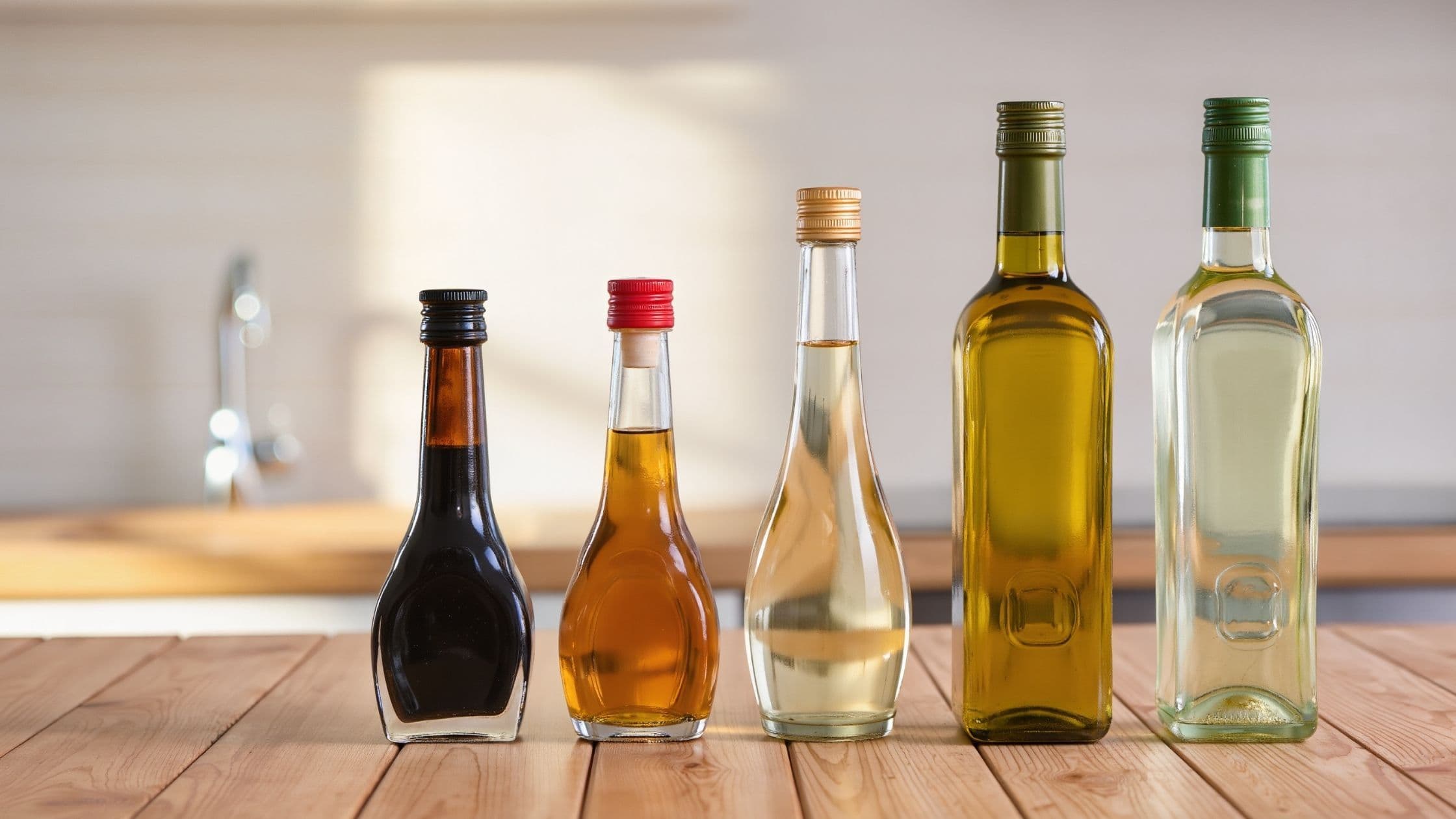
A good splash of acidity can transform food. Think of the tang in salad dressings, the brightness in a curry, or that squeeze of lemon that brings a dish to life — that’s acid doing its magic. In UK kitchens, vinegar and citrus often play supporting roles, but chefs know they’re the secret to balance.
When I started cooking, I thought vinegar was just for chips. Now I use it almost every day — to lift sauces, tenderise meats, and brighten heavy stews. Acidity cuts through fat, enhances salt, and sharpens sweetness. Without it, dishes taste flat.
In this guide, we’ll explore the most common vinegars and acidic ingredients used in UK cooking, explain their flavour profiles, and show you exactly when to use each for maximum impact.
Why Acidity Matters in Cooking
The Science of Balance
Acid balances the four other taste pillars — sweet, salty, bitter, and umami. It keeps rich foods from feeling heavy and enhances the natural flavour of vegetables and meats.
Everyday Benefits
- •Brightens flavours: a splash of vinegar at the end of cooking wakes up sauces.
- •Tenderises meat: acids break down proteins during marinades.
- •Preserves food: vinegar’s low pH prevents spoilage.
Pro Tip: If your dish tastes dull but not bland, it probably needs acid, not salt.
The Most Common Vinegars in UK Kitchens
Malt Vinegar
Best for: Chips, pickles, and hearty dishes
Flavour: Malty, tangy, robust
A British classic made from malted barley, malt vinegar has a strong, nostalgic flavour. Perfect for fish and chips or pickled onions, but too assertive for delicate sauces.
Pro Tip: Use sparingly in marinades — its acidity is strong and can overpower subtle ingredients.
Distilled White Vinegar
Best for: Cleaning, pickling, and condiments
Flavour: Sharp, clean, neutral
While not often used for flavouring food directly, white vinegar’s purity makes it perfect for pickling or balancing chutneys. It’s also the vinegar behind most bottled condiments like ketchup and mayonnaise.
Balsamic Vinegar
Best for: Salad dressings, glazes, and finishing drizzles
Flavour: Sweet, syrupy, rich
Originating from Modena, Italy, balsamic vinegar is made by reducing grape must, giving it a deep sweetness and mellow acidity. In the UK, it’s a go-to for salad dressings and marinades.
Pro Tip: Reduce over low heat with a spoon of sugar for a glossy glaze perfect on roasted veg or chicken.
Red Wine Vinegar
Best for: Dressings, stews, Mediterranean dishes
Flavour: Fruity, tangy, slightly complex
Red wine vinegar brings brightness to tomato-based dishes, lentil salads, and even slow-cooked stews. It’s strong, so start small — ½ teaspoon can transform a sauce.
White Wine Vinegar
Best for: Hollandaise, dressings, and delicate sauces
Flavour: Mild, fruity, elegant
Gentler than red wine vinegar, it’s a kitchen essential for lighter recipes. Excellent in vinaigrettes or deglazing fish pans. It also forms the base for homemade mayonnaise or Béarnaise.
Apple Cider Vinegar
Best for: Dressings, marinades, and detox drinks
Flavour: Fruity, sharp, mildly sweet
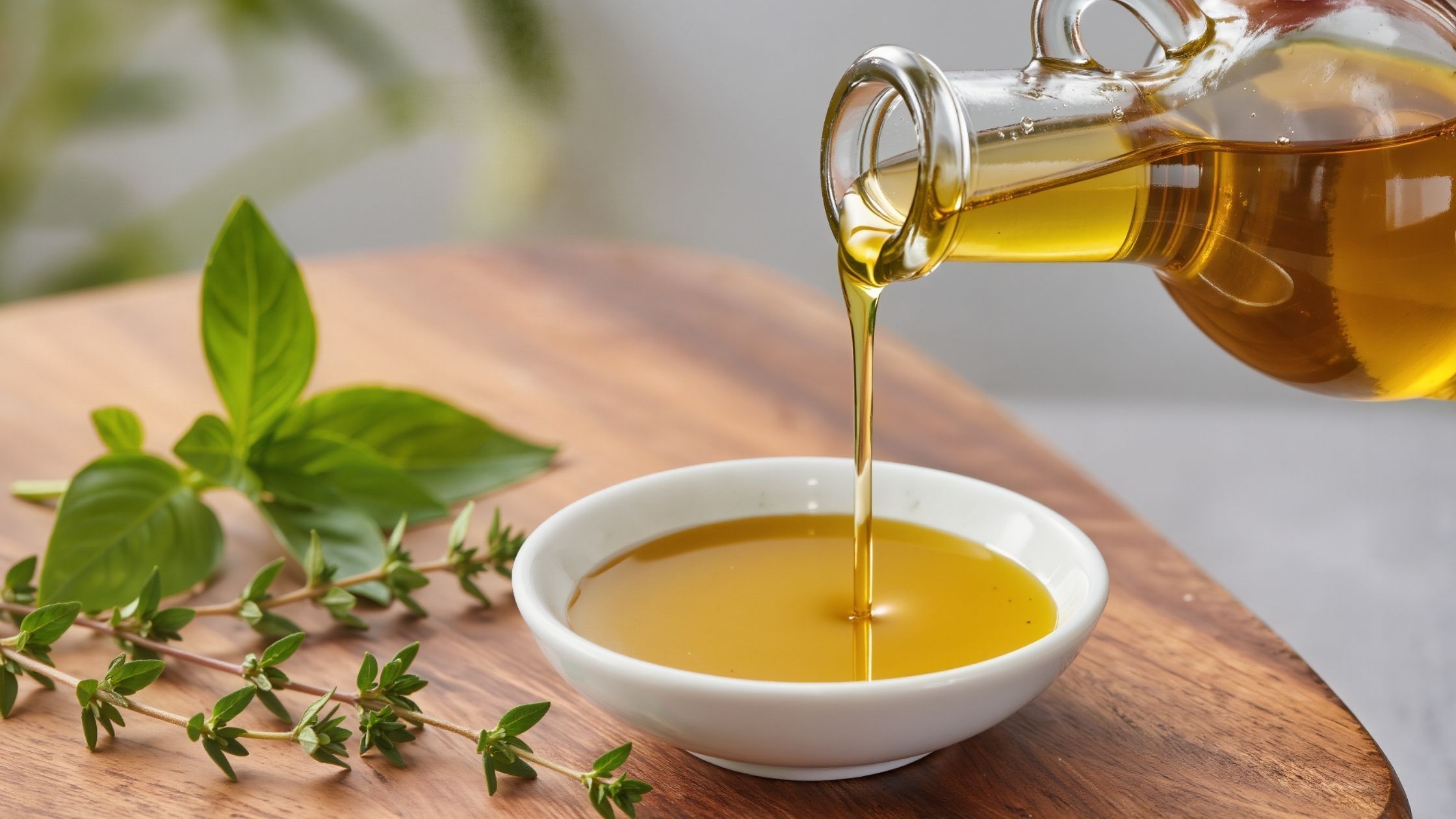
Made from fermented apple juice, this vinegar has gained popularity for both flavour and health claims. It adds gentle fruitiness to slaws, chutneys, and sauces.
Pro Tip: Combine with honey and olive oil for a naturally sweet vinaigrette.
Rice Vinegar
Best for: Asian recipes, sushi rice, and stir-fries
Flavour: Mild, sweet, balanced
Rice vinegar is lighter and less acidic than Western vinegars, making it ideal for sushi seasoning or noodle dishes. UK supermarkets often stock both plain and seasoned versions — avoid the seasoned type if you’re controlling sugar or salt.
Other Acidic Ingredients Worth Knowing
Lemon Juice
Best for: Finishing seafood, dressings, and desserts
Flavour: Bright, citrusy, sharp
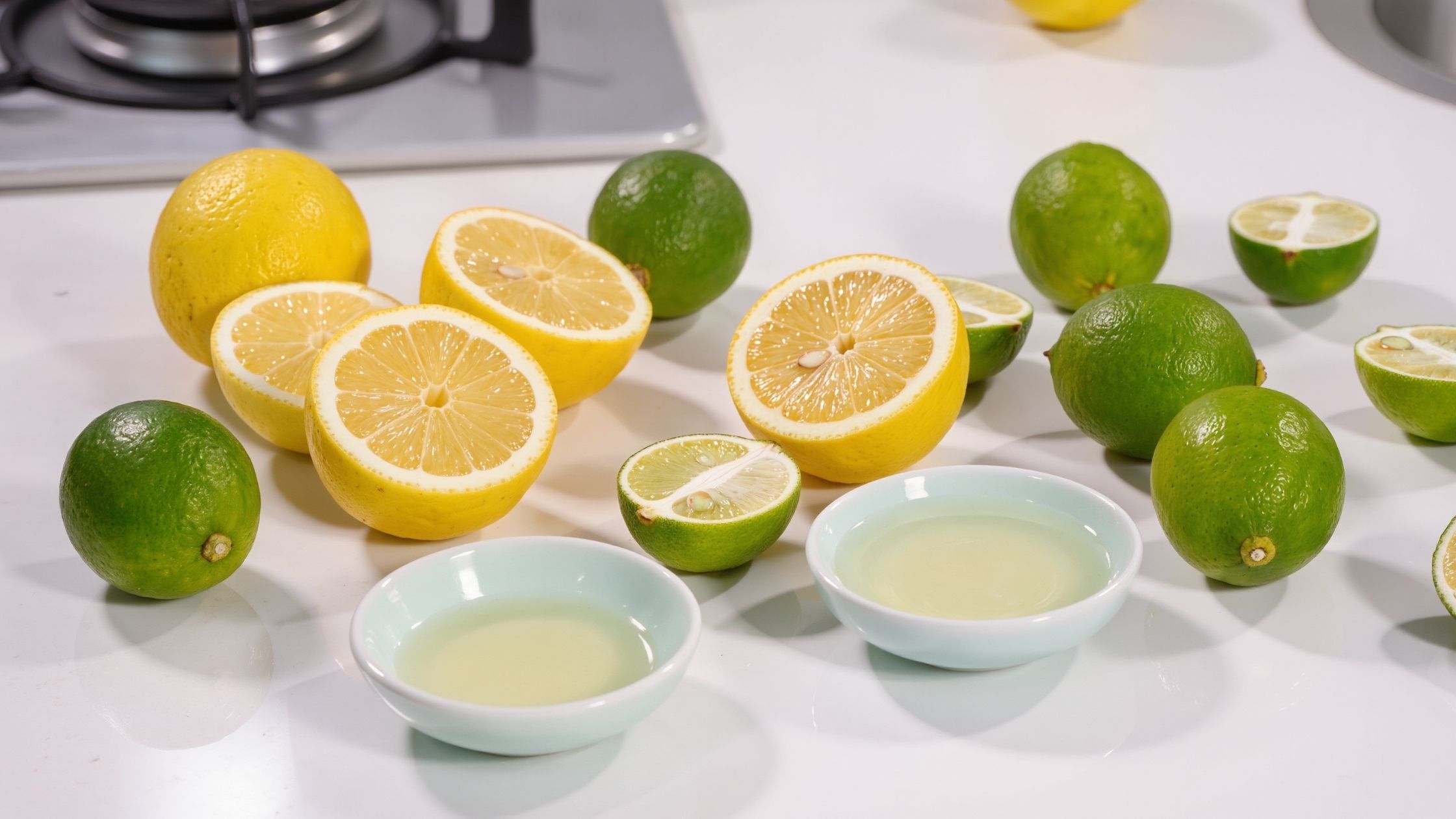
Fresh lemon juice is one of the simplest ways to add balance to a dish. It lifts cream sauces, balances sweetness, and adds a clean finish to fish or grilled vegetables.
Pro Tip: Always use fresh lemons — bottled juice lacks brightness.
Lime Juice
Best for: Asian and Mexican dishes
Flavour: Sharper and more aromatic than lemon
Lime juice adds zest and complexity to curries, salsas, and stir-fries. It’s also essential for cocktails like mojitos or margaritas.
Vinegar Alternatives
- •Tamarind paste: Adds tang and sweetness to curries and sauces.
- •Yoghurt or buttermilk: Provides acidity and tenderness in marinades.
- •Verjuice: Made from unripe grapes, a gentler acidic substitute used in French cuisine.
Apple cider vinegar
How to Use Acids in Cooking
As a Marinade
Combine vinegar or citrus juice with oil, herbs, and spices to tenderise meat or tofu. A 1:3 ratio of acid to oil works well.
In Dressings
Mix vinegars with oils, mustard, or honey for balance. Example: 1 tbsp balsamic vinegar + 3 tbsp olive oil + 1 tsp mustard.
For Deglazing
After cooking meat or vegetables, splash vinegar into the hot pan to lift browned bits and make an instant sauce.
As a Finishing Touch
Add a few drops of vinegar or citrus right before serving to brighten soups, stews, and stir-fries.
Pro Tip: Taste before adding salt — acid often brings out hidden savouriness.
Practical Tips & Quick Wins
- Balance acid and fat: pair vinegars with oil or butter to soften sharpness.
- Cook off harshness: simmer vinegar for 30 seconds to mellow intensity.
- Use sparingly: start with ½ teaspoon; add more to taste.
- Store properly: keep vinegars in cool, dark cupboards; tightly sealed.
- Experiment: try swapping lemon juice for rice vinegar in stir-fries — subtle but transformative.
Pro Tip: Add a splash of vinegar to boiling water when poaching eggs — it helps them hold their shape perfectly.
Common Questions
What’s the best vinegar for salad dressings?
White wine or balsamic vinegar are ideal for dressings — mild acidity, balanced flavour, and pair well with olive oil.
Can I substitute vinegar for lemon juice?
Yes, but use half the amount — vinegar is usually stronger. Add a pinch of sugar to replicate citrus sweetness.
Why do chefs add vinegar to sauces and soups?
A touch of acid at the end of cooking brightens flavour and balances richness, especially in creamy or tomato-based sauces.
Citrus fruits
Conclusion
Acid is the unsung hero of great cooking. Whether it’s a drizzle of balsamic over roasted veg or a squeeze of lemon on grilled fish, the right acidity adds brightness, balance, and depth. Once you start tasting the difference, you’ll reach for vinegar as often as salt.
Build your collection slowly: malt for classics, apple cider for dressings, balsamic for richness, and rice vinegar for lighter dishes. With these essentials, you’ll have everything you need to cook with perfect balance and bite.
Related Recipes to Try
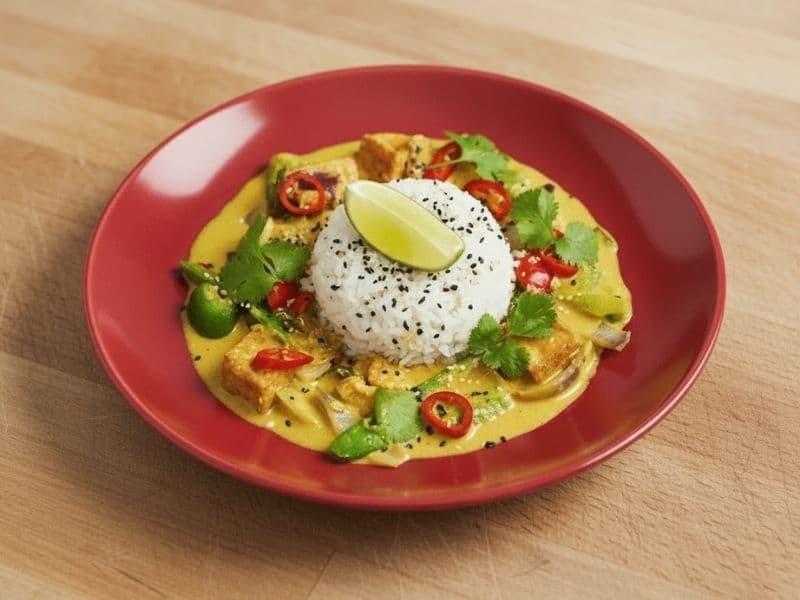
- •Wagamama Tofu Raisukaree – Balanced with rice vinegar and lime for perfect tang
- •Nando’s Peri-Peri Chicken – Marinade built on lemon and vinegar base