Introduction
If you’ve ever stared at your spice rack wondering whether to grab thyme or rosemary, you’re not alone. Most of us have at least a dozen jars of herbs and spices gathering dust—souvenirs of ambitious recipes that never quite happened. But when used properly, they’re what take a meal from flat to fantastic.
I used to be the sort of cook who tossed “a bit of everything” into the pot and hoped for the best. Sometimes it worked. Often it didn’t. Over time, I learned that each herb and spice has its own character—its moment to shine, and its limit before it overwhelms the dish.
This guide breaks down the most common herbs and spices used in British cooking, how to combine them, and when to add them for maximum flavour. No fancy jargon—just simple, practical advice that’ll help you season like a pro.
Fresh vs. Dried: When It Actually Matters
Here’s a myth worth busting: dried herbs aren’t inferior—they’re just different.
- •Fresh herbs shine when added at the end of cooking. Think of basil over pasta or parsley on fish—it’s about aroma and brightness.
- •Dried herbs are stronger and best used early in cooking, giving time for their oils to infuse. Perfect for stews, casseroles, and Sunday roasts.
A good rule of thumb: use three times more fresh than dried. For example, if a recipe calls for one teaspoon of dried oregano, you’d use about a tablespoon of fresh leaves.
Pro Tip: Keep dried herbs for no more than 12 months. After that, they lose their punch. Write the purchase date on the lid—it’s surprisingly easy to forget.
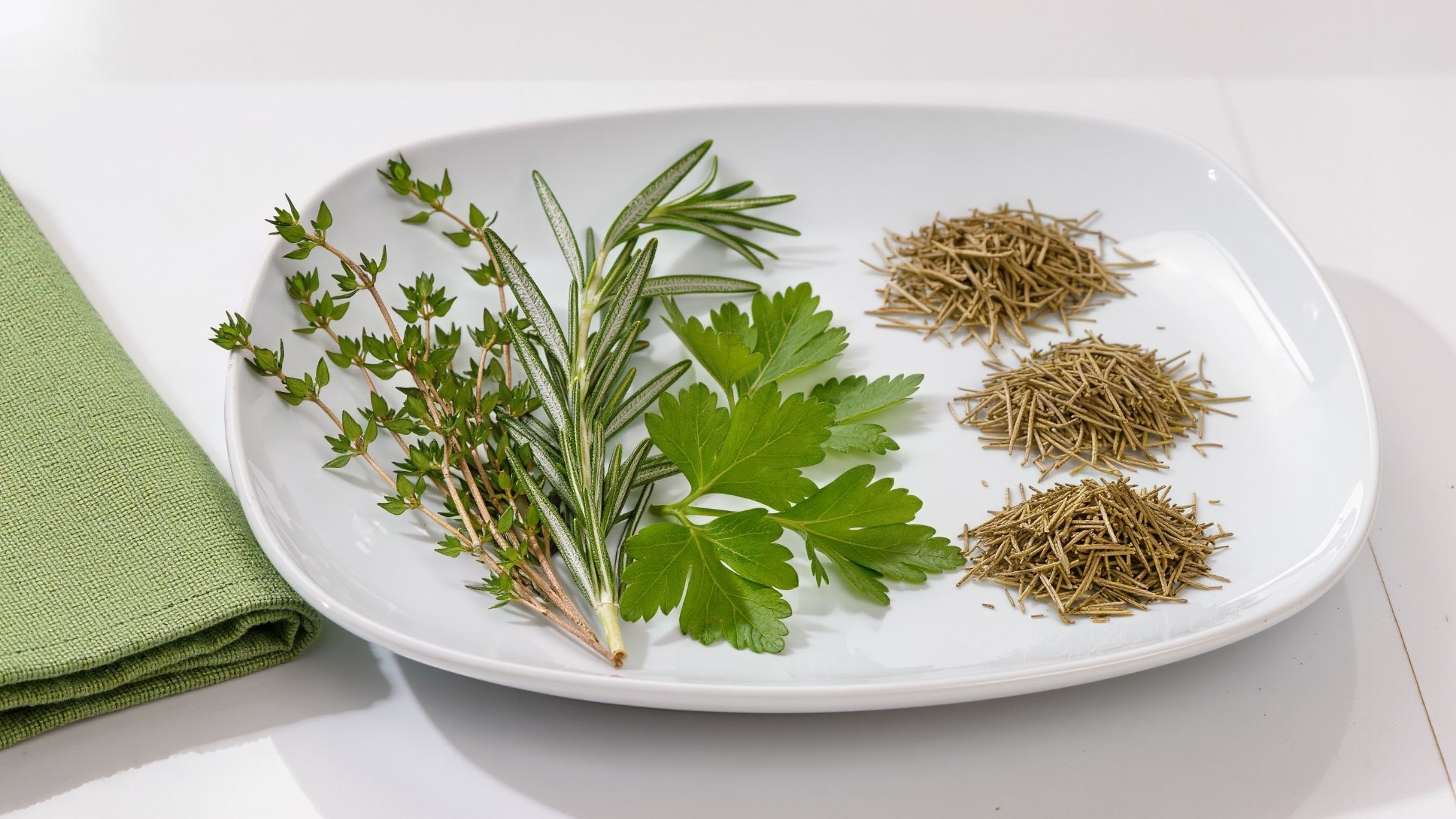
An assortment of common herbs
The Core British Herbs (and What They Love)
Thyme
A true workhorse. Earthy, slightly floral, and incredibly versatile.
Best in: roast chicken, stews, soups, and stuffing.
Add it early—it stands up to long cooking.
Rosemary
Bold and piney. Brilliant for roasted potatoes or lamb, but overpowering if overused.
Best in: roasted meats, focaccia, root veg.
Strip the leaves from the stem and chop finely; whole sprigs can be too much.
Parsley
Bright, peppery, and clean.
Best in: fish dishes, sauces, salads.
Use flat-leaf for flavour, curly for garnish. Always add at the end for freshness.
Sage
Strong, slightly bitter, with a savoury depth that’s perfect for cold-weather cooking.
Best in: sausages, pork, brown butter pasta.
A little goes a long way—especially dried.
Mint
Fresh and cooling, not just for desserts!
Best in: lamb, peas, new potatoes, yoghurt dips.
Avoid boiling—it dulls the flavour completely.
Bay Leaves
Mild but magical. Add to soups, stews, or sauces, then fish them out before serving.
Best in: casseroles, Bolognese, and homemade stock.
The Spice Cupboard Heroes
Paprika
Warm, smoky, and colourful.
Best in: chicken, roasted veg, and stews.
Smoked paprika gives that Nando’s-style kick, while sweet paprika adds depth without heat.
Cumin
Nutty, earthy, and essential for curries and chilli.
Best in: spice rubs, stews, and Mexican dishes.
To unlock flavour, toast whole cumin seeds for 30 seconds before grinding.
Coriander
Fresh and lemony when ground; aromatic and floral as seeds.
Best in: curries, soups, and marinades.
Pairs beautifully with lime, chilli, and garlic.
Turmeric
Earthy with a hint of bitterness, and that signature golden hue.
Best in: rice dishes, soups, curries.
Adds colour and mild warmth—just don’t wear white while using it.
Cinnamon
Sweet but complex. Works in both sweet and savoury dishes.
Best in: curries, porridge, pastries, and even chilli con carne.
When to Add Herbs and Spices for Maximum Flavour
Timing matters almost as much as quantity.
- •Start of cooking: bay leaves, thyme, rosemary, dried oregano.
- •Midway: paprika, cumin, coriander, turmeric (these release flavour as they bloom in oil).
- •End of cooking: basil, parsley, mint, chives, dill.
Chef’s Secret: Blooming spices—cooking them briefly in oil before adding liquids—wakes up their flavour. This is why good curries smell incredible from the first stir.
Practical Tips & Quick Wins
- Build layers, not chaos: Use 2–3 complementary flavours instead of every jar you own.
- Use your nose: If a spice smells dull, it’ll taste dull—bin it.
- Toast before you grind: Even 30 seconds in a dry pan transforms flavour depth.
- Balance fresh with earthy: Fresh herbs lift heavy stews; warm spices ground lighter dishes.
- Store smart: Keep jars in a cool, dark place—not above the hob, where heat kills flavour.
Pro Tip: Create your own “house blend.” Mine’s paprika, garlic granules, thyme, and a pinch of chilli—perfect for chicken or roasted veg.
Common Questions
Q: Can I use dried herbs instead of fresh in every recipe?
A: Mostly yes, but adjust quantity. Dried herbs are more concentrated, so use about a third of the amount and add early in cooking.
Q: What’s the best all-purpose spice mix for beginners?
A: Try a mix of paprika, garlic powder, onion powder, and black pepper. It suits most savoury dishes and helps you learn balance before branching out.
Q: How do I stop spices clumping or going stale?
A: Keep them airtight and away from steam. If you buy large bags, decant small amounts into a jar and store the rest sealed in the freezer.

Conclusion
Mastering herbs and spices isn’t about memorising hundreds of names—it’s about understanding their personalities. Once you learn that thyme loves chicken, rosemary pairs with potatoes, and paprika transforms almost anything, your cooking will never feel bland again.
Next time you’re tempted to play it safe with just salt and pepper, open that spice drawer with confidence. A pinch of the right herb can turn an everyday meal into something worth writing home about.
Try These Recipes:
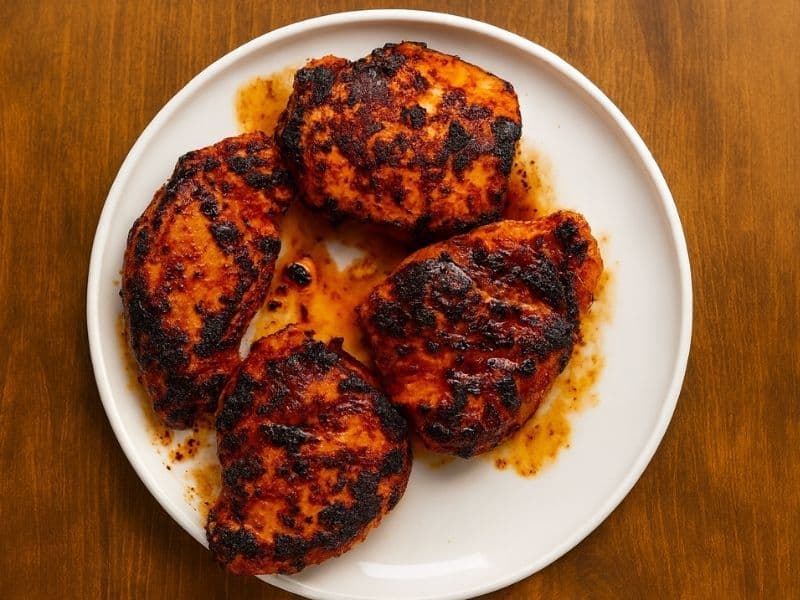
- •Nando’s Peri-Peri Chicken: Perfect for showing off your paprika and chilli skills.
- •Greggs Sausage Roll: Learn how sage and pepper make the filling shine.
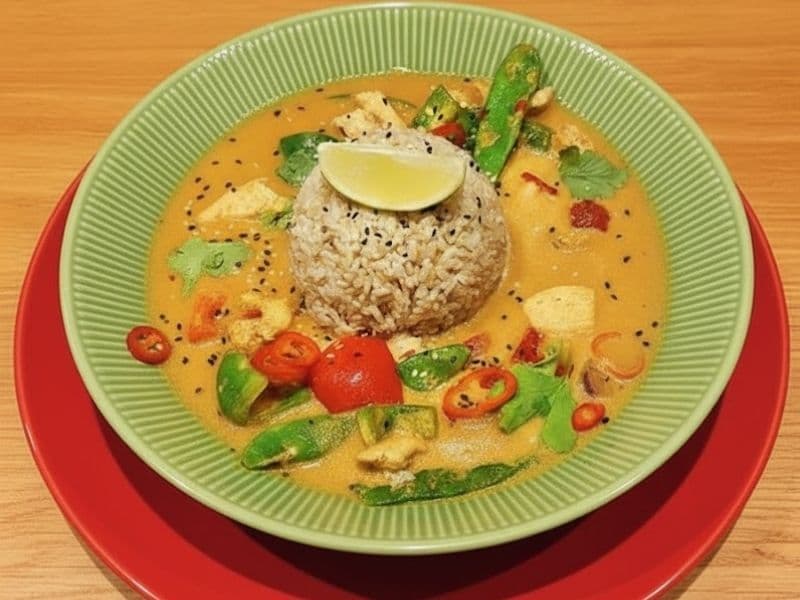
- •Wagamama Raisukaree: A brilliant use of turmeric and fresh herbs.