- •
Introduction
If there’s one ingredient that separates decent cooking from restaurant-quality food, it’s salt. It doesn’t just make food “salty” — it transforms bland dishes into bold, balanced, flavour-packed meals. The trouble is, UK kitchens are full of options: table salt, sea salt, rock salt, Maldon flakes, kosher salt, Himalayan pink — and each behaves differently.
I’ll admit, I used to think salt was just salt. Then I sprinkled flaky Maldon sea salt on roasted veg for the first time and everything changed. The texture, the crunch, the clean burst of flavour — it was like discovering seasoning for the first time.
In this guide, we’ll break down the main types of salt available in the UK, when and how to use them, and how timing your seasoning makes all the difference. By the end, you’ll know exactly which salt to reach for and why.
Understanding What Salt Actually Does
Why We Need It
Salt enhances flavour by making other tastes — like sweetness or savoury depth — more pronounced. It also draws out moisture, tenderises meat, and balances bitterness.
The Science Bit
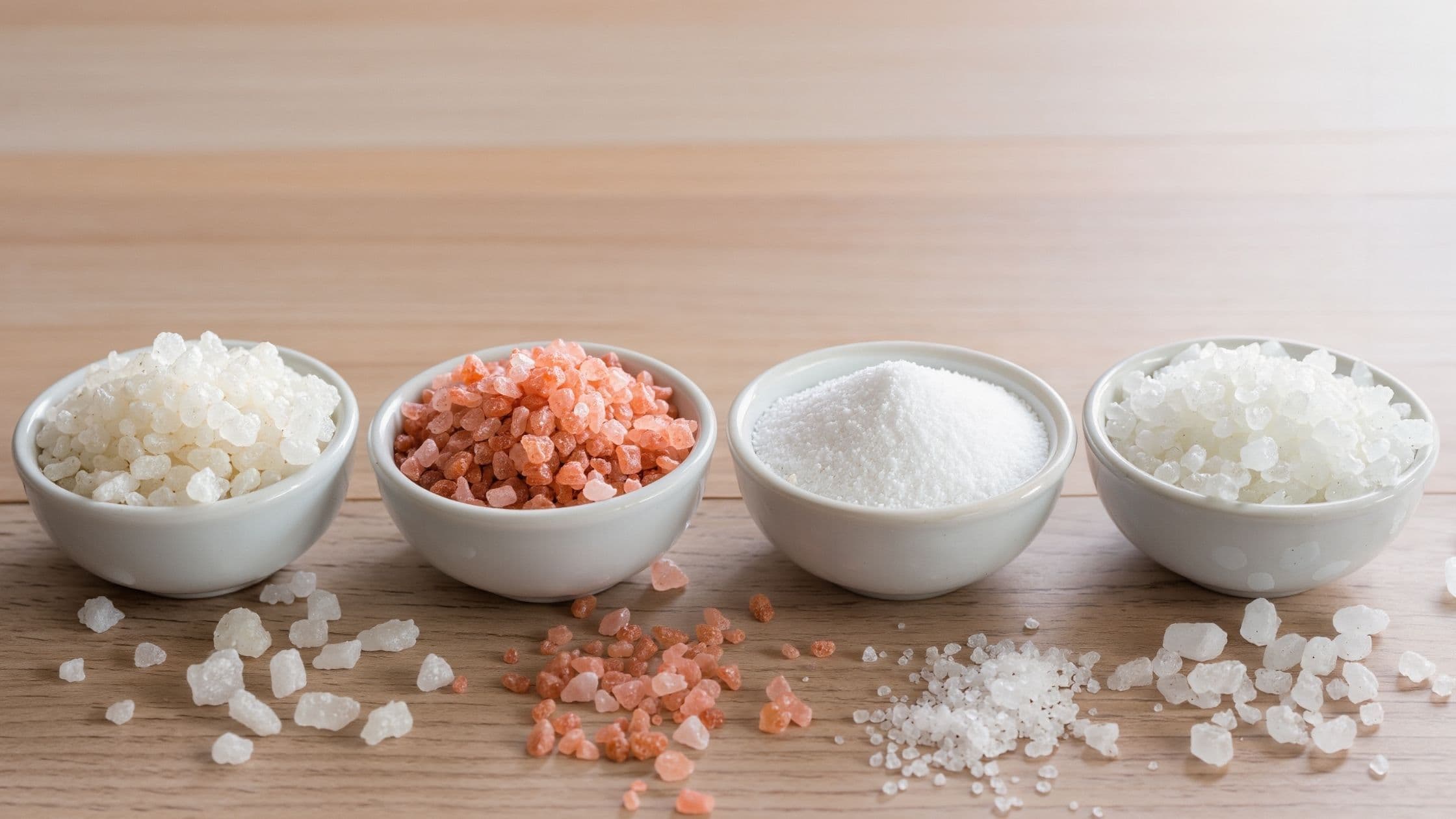
Chemically, salt is sodium chloride (NaCl), but trace minerals and crystal structure change how it dissolves and tastes. Finer grains dissolve fast and season evenly, while larger flakes add bursts of flavour and texture.
Pro Tip: The key to perfect seasoning isn’t more salt — it’s better timing and even distribution.
The Main Salt Types in UK Kitchens
Table Salt
Grain: Very fine
Best for: Baking, soups, sauces
Taste: Clean and strong
The everyday staple, table salt dissolves quickly and is ideal for precise measurements. However, it often contains anti-caking agents that can give a slightly metallic aftertaste. Great in recipes where salt dissolves fully, not ideal as a finishing salt.
Pro Tip: Use sparingly — fine salt packs more sodium per teaspoon than flakes.
Sea Salt
Grain: Medium to large crystals
Best for: Everyday cooking and finishing
Taste: Bright, clean, natural
Harvested through evaporating seawater, sea salt keeps trace minerals that add depth and subtle sweetness. UK favourites like Cornish Sea Salt or Maldon are premium examples known for their texture and purity.
Pro Tip: Keep a small dish of sea salt near the hob — it’s easier to pinch and control seasoning by hand than pouring from a shaker.
Maldon Sea Salt Flakes
Grain: Large, pyramid-shaped flakes
Best for: Finishing dishes
Taste: Pure, light, and crisp
This iconic British salt has become a chef’s favourite worldwide. The delicate crystals crush easily between your fingers, giving beautiful bursts of salt without harshness. Perfect for finishing steak, chocolate desserts, or even cocktails.
Pro Tip: Always add Maldon after cooking to preserve its texture and sparkle.
Kosher Salt
Grain: Coarse but even
Best for: Dry brining and seasoning meat
Taste: Clean and balanced
Despite the name, kosher salt isn’t religiously blessed — it’s simply named for its role in koshering meat. Its uniform crystals make it perfect for even coverage when seasoning meats or making rubs. Harder to find in the UK, but worth it if you spot brands like Diamond Crystal.
Pro Tip: Because grains are larger, you’ll need about 1.5x more kosher salt to match the saltiness of table salt.
Rock Salt
Grain: Large, irregular crystals
Best for: Salt grinders and crusts
Taste: Strong, slightly earthy
Rock salt comes from underground deposits rather than the sea. It’s best ground fresh or used for presentation (like salt-crusted fish). Not ideal for everyday cooking as it doesn’t dissolve quickly.
Pro Tip: Use it for de-icing drives? Not this one — only buy food-grade rock salt for cooking!
Himalayan Pink Salt
Grain: Coarse or fine
Best for: Finishing dishes or seasoning boards
Taste: Mild, mineral, visually striking
Sourced from ancient deposits in Pakistan, pink salt’s rosy hue comes from iron oxide. It looks stunning sprinkled over dishes and provides a subtle mineral flavour. While often marketed as “healthier,” nutritionally it’s almost identical to sea salt.
Pro Tip: Use pink salt where aesthetics matter — like grilled fish or salads.
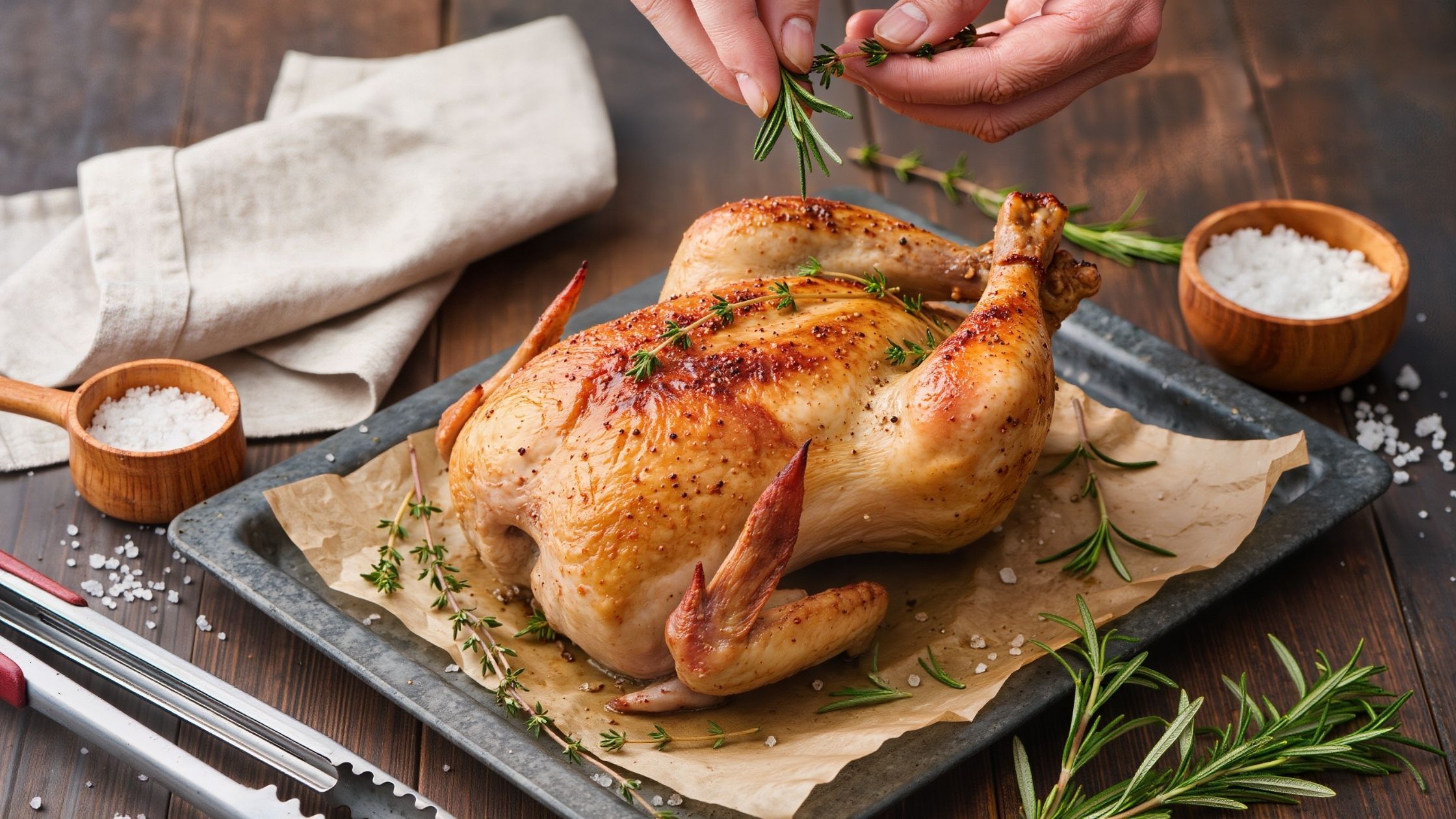
Salt is small but powerful
Beyond Salt: Flavoured and Specialty Seasonings
Smoked Salt
Infused with wood smoke (often oak or applewood), smoked salts bring barbecue depth to roasted meats, chips, and even chocolate desserts.
Try: Sprinkle over homemade chips or roast chicken for instant smokiness.
Garlic & Herb Salts
Pre-mixed salts with herbs or garlic granules save time but can be intense. Use sparingly and check ingredients — some are 70% plain salt.
Low-Sodium Alternatives
Products like LoSalt mix sodium chloride with potassium chloride to reduce sodium intake. Useful for those watching salt, though the taste is slightly metallic.
When and How to Season Food
Before Cooking
- •Dry brine meat: Sprinkle salt evenly 1–2 hours before cooking to draw moisture and create juicier results.
- •Vegetables: Salt before roasting to enhance caramelisation.
During Cooking
- •Add pinches gradually. You can always add more — you can’t take it away.
- •Stir soups and sauces after salting to distribute evenly.
After Cooking
- •Use finishing salts (Maldon, sea flakes) for texture and visual appeal.
- •Sprinkle on desserts like brownies or caramel for a sweet-salty contrast.
Pro Tip: The best chefs taste constantly — season, taste, and adjust. It’s the secret behind consistent results.
Practical Tips & Quick Wins
- Measure by weight, not spoon: Different salts vary in density.
- Store properly: Keep in airtight containers away from humidity.
- Crush flakes between fingers: Better control and distribution.
- Use finishing salts sparingly: They’re for impact, not volume.
- Avoid salting too early for watery foods: For example, salt courgettes just before cooking to prevent sogginess.
Pro Tip: Try mixing Maldon flakes with crushed dried herbs for your own gourmet finishing blend — perfect on roast potatoes or focaccia.
Common Questions
Is sea salt healthier than table salt?
Nutritionally, they’re almost identical — both are mainly sodium chloride. Sea salt’s advantage is flavour and texture, not health.
Can I use table salt instead of sea salt in recipes?
Yes, but reduce the amount slightly (around 25%) to avoid over-salting, as fine grains pack more sodium.
What’s the best salt for baking?
Always use fine table salt or finely ground sea salt for even distribution — large flakes don’t dissolve properly in batters.
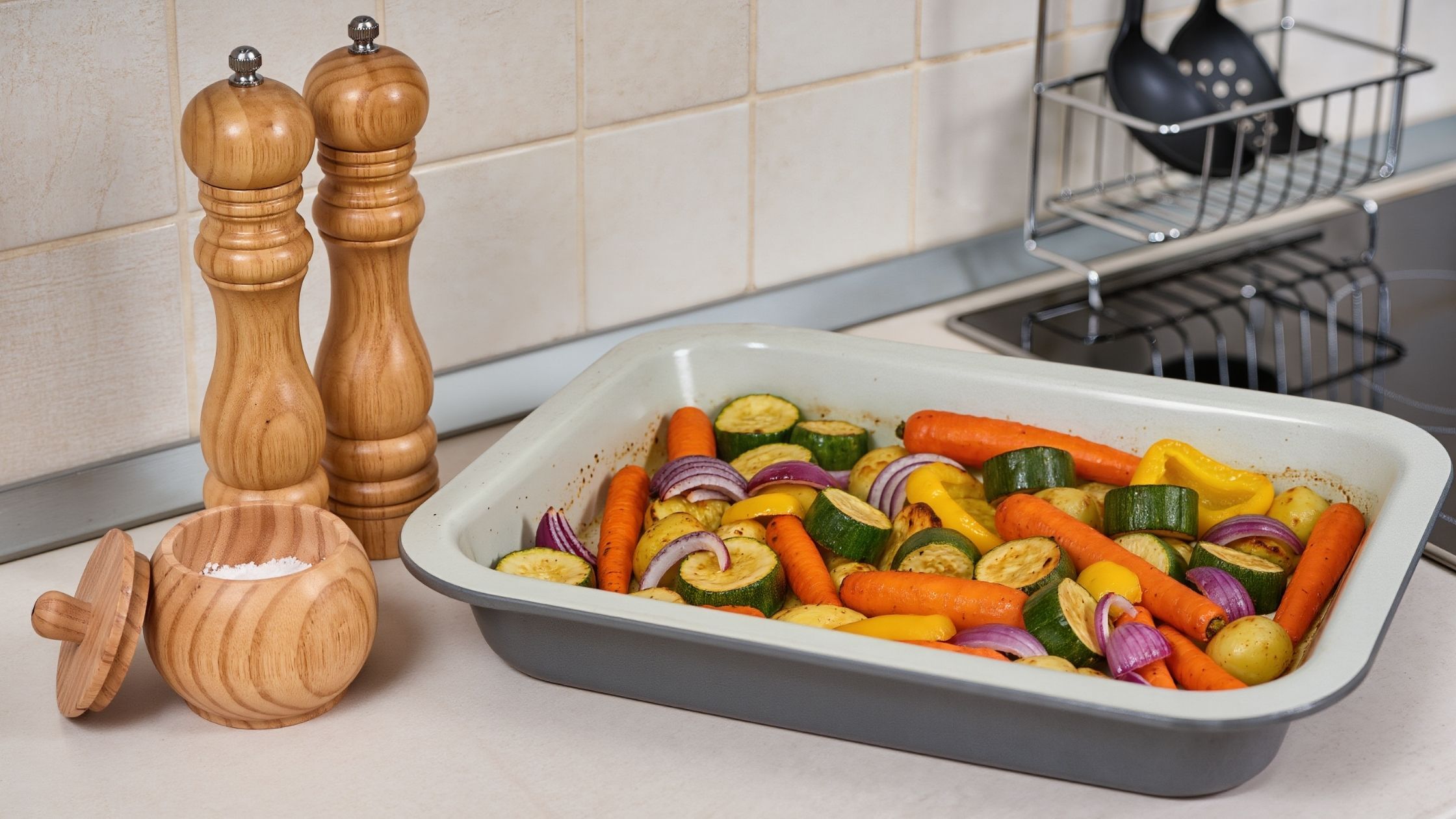
Sea salt and grinder
Conclusion
Salt is small but mighty. Once you start exploring the textures and timing of seasoning, you’ll never go back to simply shaking it on at the end. Each type has its place: table salt for baking, sea salt for everyday cooking, Maldon for finishing, and kosher for meat prep.
Cooking is all about balance — and mastering salt is mastering balance itself. Start tasting your salt, not just using it, and you’ll instantly elevate every dish you make.
Related Recipes to Try
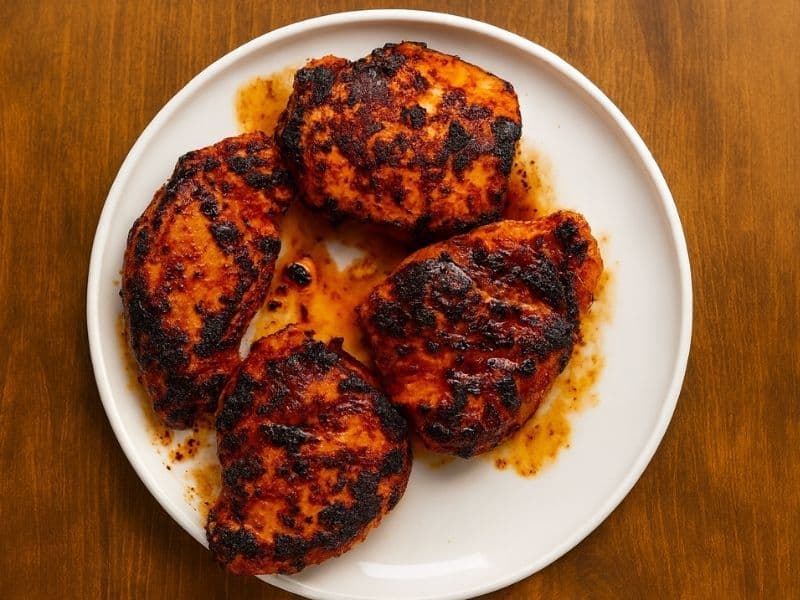
- •Nando’s Peri-Peri Chicken – Learn how proper seasoning brings heat and balance
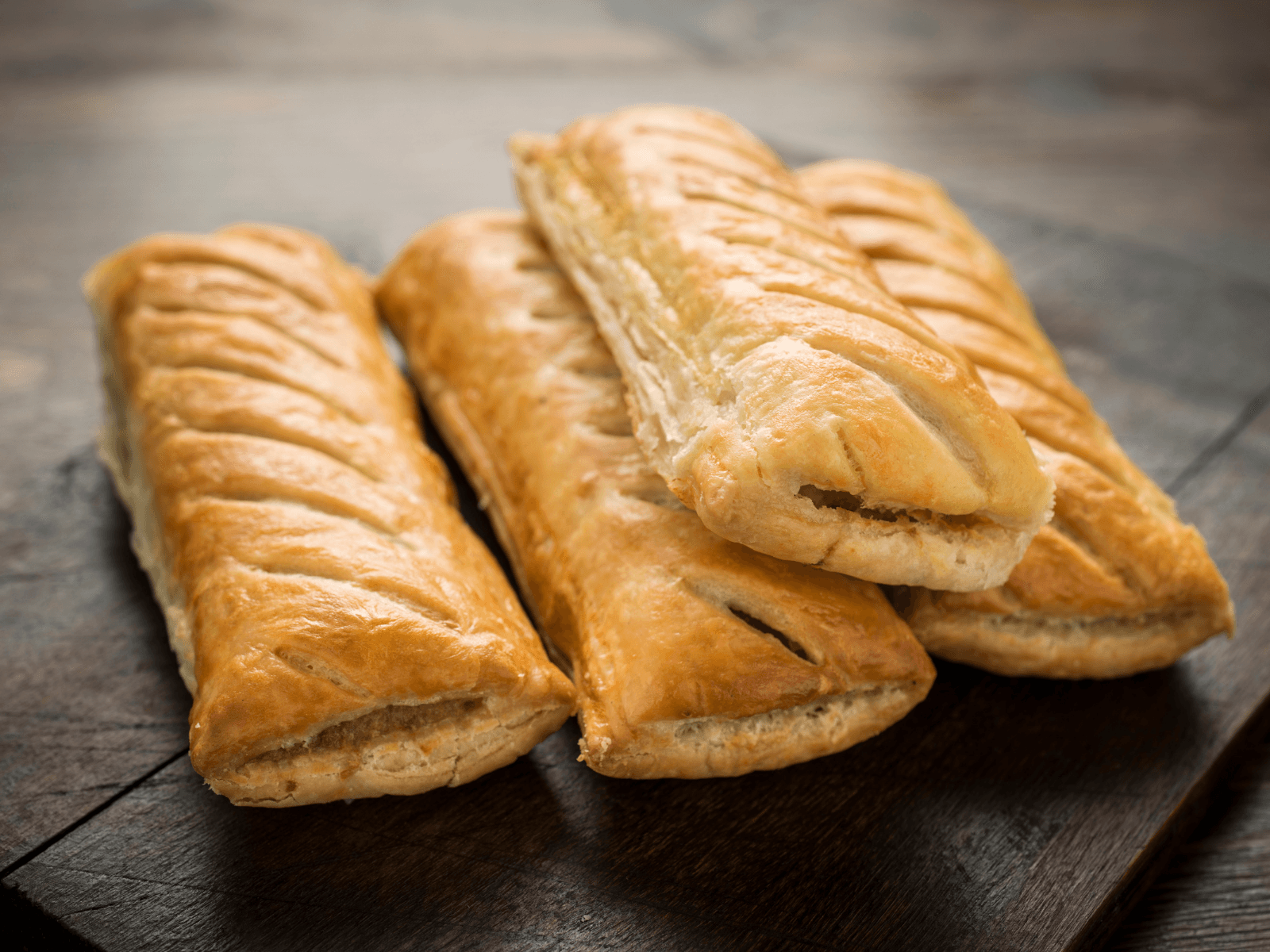
- •Greggs Sausage Roll – Salted pastry and perfectly seasoned filling
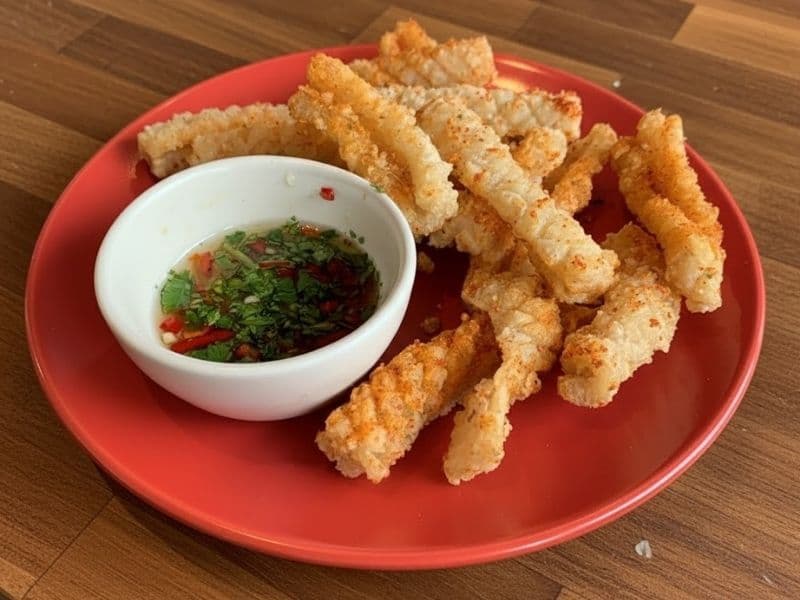
- •Wagamama Chilli Squid – Finish with sea salt for that restaurant crunch