Introduction
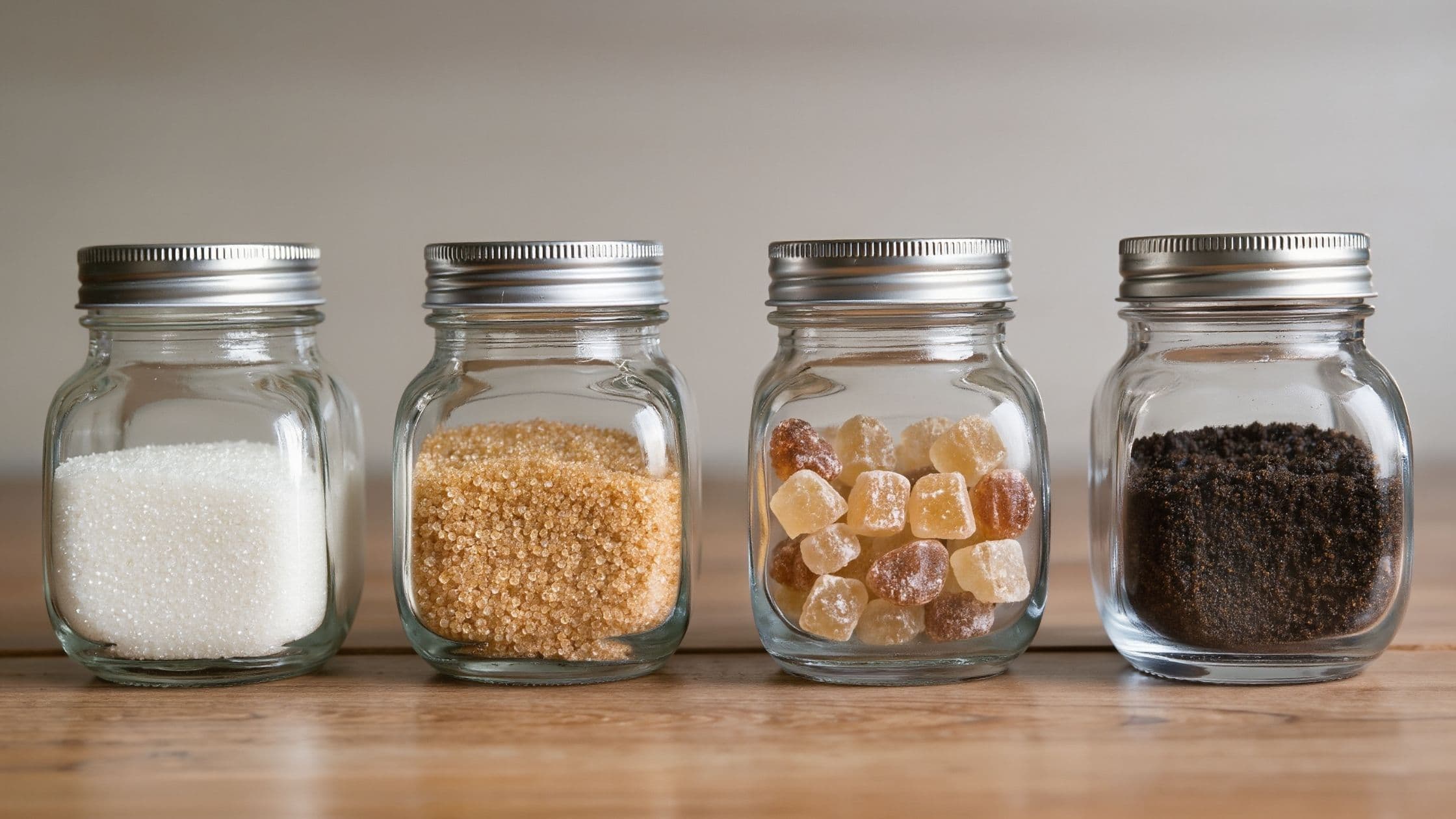
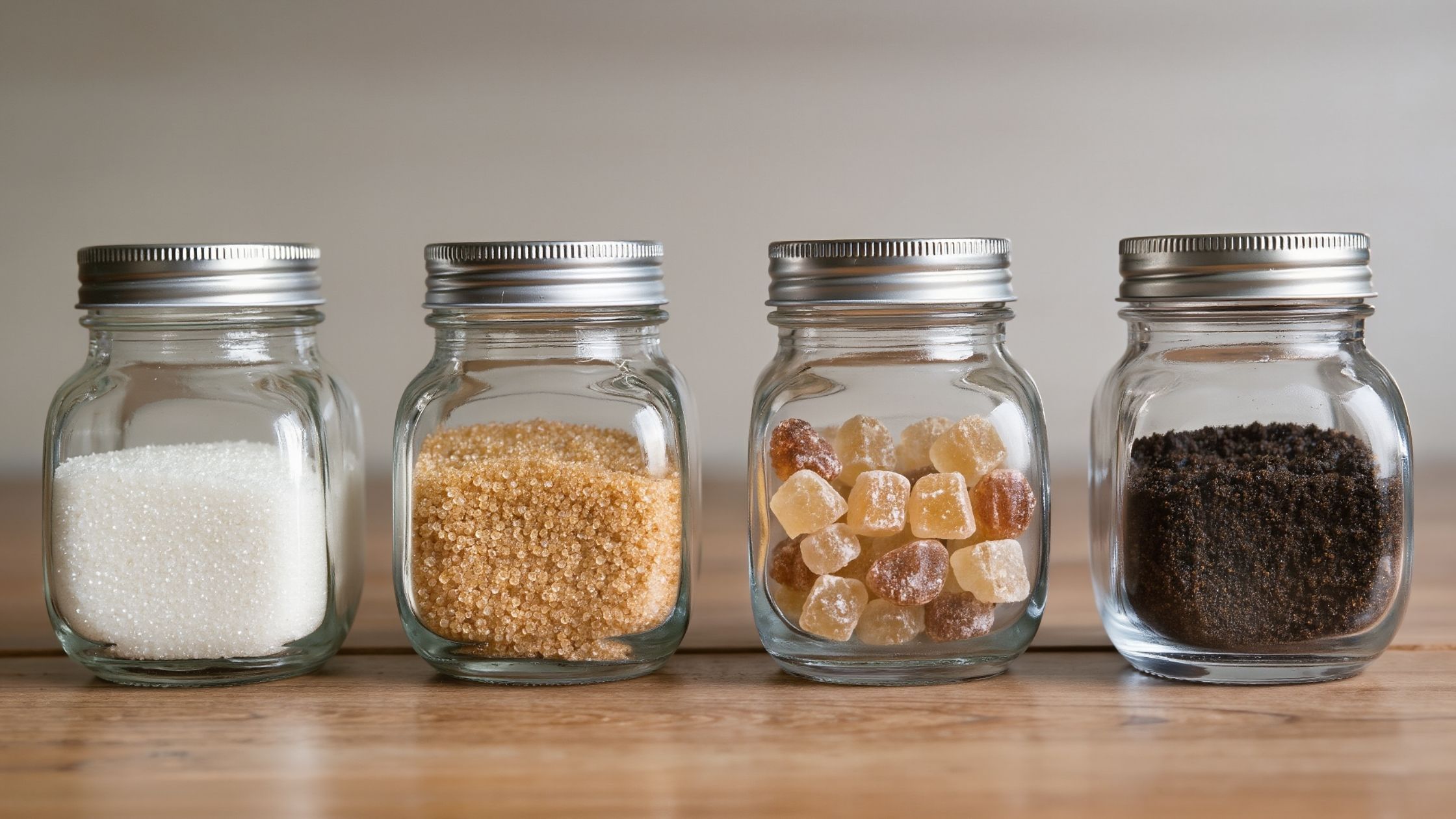
Sugar isn’t just about sweetness — it’s texture, colour, and chemistry. From the caramel crunch on a crème brûlée to the chewy centre of a cookie, the type of sugar you use can completely change the outcome.
Walk down any UK supermarket baking aisle and you’ll see caster, granulated, light brown, dark brown, muscovado, icing sugar, golden syrup, honey, and even stevia. But what’s the difference? And can you swap one for another?
When I first started baking, I thought all sugar was interchangeable. My first Victoria sponge said otherwise — flat, dense, and far too sweet. That’s when I learned that sugar affects everything from aeration to moisture.
This guide breaks down every major UK sugar and sweetener, explaining what each one does and how to use it for the perfect texture and taste every time.
Understanding the Role of Sugar
More Than Just Sweetness
Sugar doesn’t only sweeten. It:
- •Creates caramelisation and browning
- •Adds moisture and tenderness
- •Helps baked goods rise
- •Balances acidity and bitterness
Crystallisation and Texture
Different sugars have different crystal sizes, which affects how they dissolve. Fine sugars aerate batters, coarse ones add crunch, and liquid sugars keep moisture in.
Pro Tip: The finer the sugar, the faster it dissolves — making it perfect for light cakes and meringues.
The Main Types of Sugar in the UK
Granulated Sugar
Grain: Medium crystals
Best for: Tea, coffee, general cooking
Flavour: Clean and neutral
Granulated sugar is the most common household type. It’s too coarse for delicate baking but ideal for everyday use and caramelising sauces.
Pro Tip: Pulse granulated sugar in a food processor for a quick caster sugar substitute.
Caster Sugar
Grain: Fine
Best for: Cakes, meringues, biscuits
Flavour: Clean, pure sweetness
A baker’s best friend. Its small crystals dissolve quickly, giving light, even-textured cakes. Caster sugar is the default in most UK baking recipes.
Pro Tip: Use caster sugar when creaming butter — it traps air better than granulated.
Icing Sugar
Grain: Powdered
Best for: Icing, frosting, dusting
Flavour: Sweet, dissolves instantly
Also known as confectioner’s sugar, it’s perfect for buttercream or glazes. It often contains a small amount of anti-caking agent (usually cornflour).
Pro Tip: Sift before use for lump-free icing or whipped cream.
Demerara Sugar
Grain: Large, golden crystals
Best for: Coffee, crumble toppings, biscuits
Flavour: Lightly caramel
Partially refined, demerara sugar adds crunch and a subtle toffee flavour. Great for topping muffins or adding texture to cookies.
Pro Tip: Sprinkle demerara over pastry before baking for an irresistible golden crust.
Light Brown Sugar
Grain: Fine and moist
Best for: Cookies, cakes, sauces
Flavour: Gentle caramel sweetness
Contains a small amount of molasses, which gives warmth and colour. Ideal for biscuits or anything that benefits from chewiness.
Dark Brown Sugar
Grain: Fine and sticky
Best for: Gingerbread, fruit cakes, rich sauces
Flavour: Deep molasses, toffee, almost smoky
Heavier molasses content makes this sugar ideal for strong-flavoured bakes or sticky toffee pudding.
Pro Tip: Store in an airtight container with a slice of apple or bread to keep it soft.
Muscovado Sugar
Grain: Coarse and moist
Best for: Caramel sauces, marinades, chocolate desserts
Flavour: Rich, earthy, treacle-like
Unrefined and full of natural molasses, muscovado sugar adds depth to dark bakes and savoury dishes alike. It’s often used in barbecue sauces or marinades for its complexity.
Golden Syrup
Texture: Thick liquid
Best for: Flapjacks, treacle tarts, sticky sauces
Flavour: Buttery caramel
A British icon! Made by refining sugar syrup, golden syrup adds moisture and chew. It also prevents crystallisation, making it perfect for chewy bakes.
Pro Tip: Substitute half the sugar in flapjack recipes with golden syrup for perfect texture.
Golden Syrup
Treacle
Texture: Very thick, dark syrup
Best for: Christmas puddings, gingerbread, dark sauces
Flavour: Bitter-sweet, molasses-heavy
Treacle is darker and stronger than golden syrup. Use sparingly — it can overpower delicate flavours.
Natural and Alternative Sweeteners
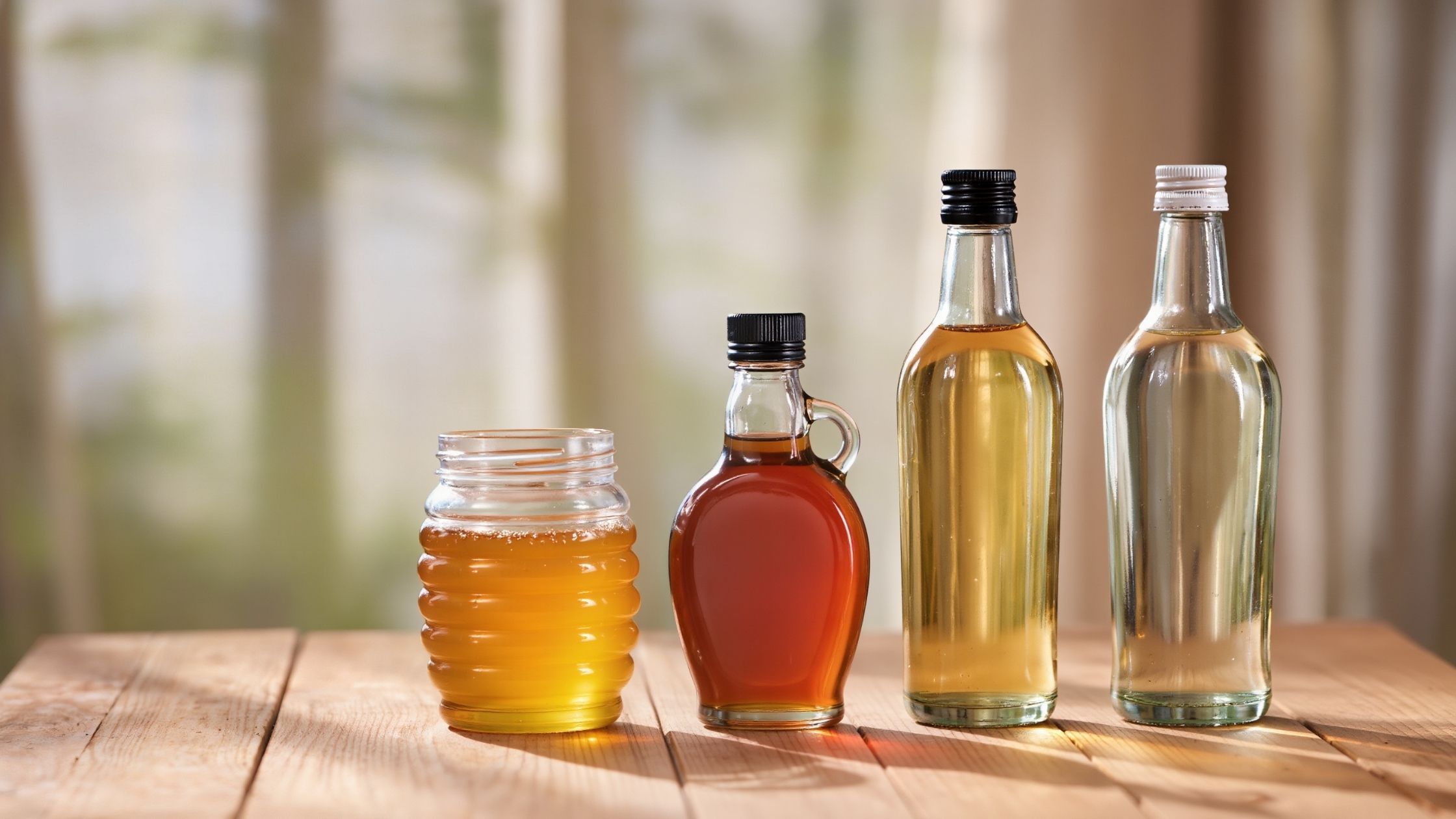
Honey
Best for: Glazes, marinades, drinks
Flavour: Floral, rich, varies by type
Honey adds moisture and complexity but burns easily, so use it in low-heat recipes or to finish dishes. Its sweetness is stronger than sugar, so reduce quantities slightly.
Pro Tip: Stir honey into marinades or dressings for sticky balance — especially with mustard or soy.
Maple Syrup
Best for: Pancakes, baking, roasted veg
Flavour: Deep caramel, slightly woody
Made from maple tree sap, it’s less sweet than honey but adds luxurious depth. Great drizzled on roasted carrots or bacon.
Agave Syrup
Best for: Smoothies, no-bake desserts
Flavour: Mildly sweet, clean
A plant-based alternative that dissolves easily in cold liquids. Sweeter than sugar but with less flavour — ideal for drinks or yoghurt.
Stevia
Best for: Drinks, low-calorie desserts
Flavour: Very sweet with slight aftertaste
Derived from a natural plant extract, stevia is calorie-free and up to 300 times sweeter than sugar. Use sparingly or in blends designed for baking.
Artificial Sweeteners (Aspartame, Sucralose)
Best for: Hot drinks, diet desserts
Flavour: Varies — some slightly bitter
Common in low-calorie products, these sweeteners don’t caramelise or act like sugar in baking. Fine for sweetness, but not structure.
Choosing the Right Sugar for the Job
| Recipe Type | Best Sugars | Notes |
|---|---|---|
| Cakes | Caster, light brown | Dissolves evenly for smooth crumb |
| Cookies | Light brown, demerara | Adds chew and golden colour |
| Meringues | Caster | Creates glossy, stable peaks |
| Sauces & Caramel | Granulated, muscovado | Melts evenly for syrup base |
| Puddings & Bakes | Dark brown, treacle | Deep flavour and moisture |
| Drinks & Glazes | Honey, golden syrup | Smooth sweetness and shine |
Practical Tips & Quick Wins
- Store in airtight containers: Moisture changes crystal size and causes clumps.
- Keep brown sugars soft: Add a slice of bread or apple overnight.
- Mix sugars: Combining white and brown adds both structure and flavour.
- Measure accurately: Sugar affects chemistry — too much alters texture.
- Don’t reduce sugar randomly: In baking, sugar provides structure as well as sweetness.
Pro Tip: For rich, chewy cookies, use half caster and half light brown sugar — the perfect balance of texture and flavour.
Common Questions
Can I swap brown sugar for white sugar?
Yes, but expect a flavour and texture change — brown sugar adds moisture and deeper flavour.
What’s the healthiest sugar?
Technically, all sugars are similar in calories. Honey or maple syrup have trace nutrients, but moderation is key.
Is golden syrup the same as corn syrup?
No — golden syrup has a rich caramel flavour, while corn syrup is flavourless and mainly used in American recipes.
Natural sweeteners
Conclusion
Sugar isn’t the villain it’s made out to be — it’s one of cooking’s most powerful tools. The key is understanding which one to use and why. Caster for lightness, brown for depth, syrup for chew, and honey for balance.
Once you start treating sugar as a flavour builder, not just a sweetener, your baking and sauces will reach a whole new level. Keep a few types on hand, and you’ll be ready for anything from cookies to caramel.
Related Recipes to Try
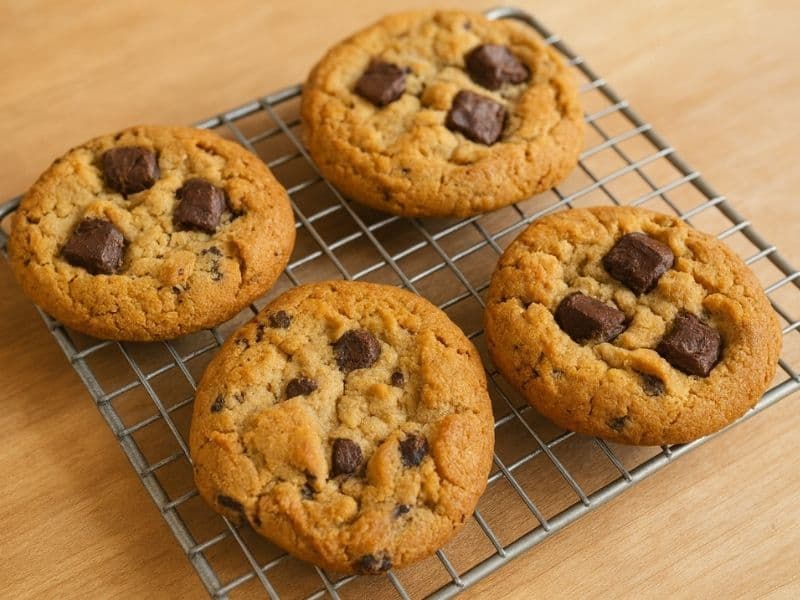
- •Pret Chocolate Chunk Cookie – Combines caster and brown sugars for perfect chew
- •Subway Sweet Onion Sauce – Balances vinegar and sugar for sweet-tangy flavour
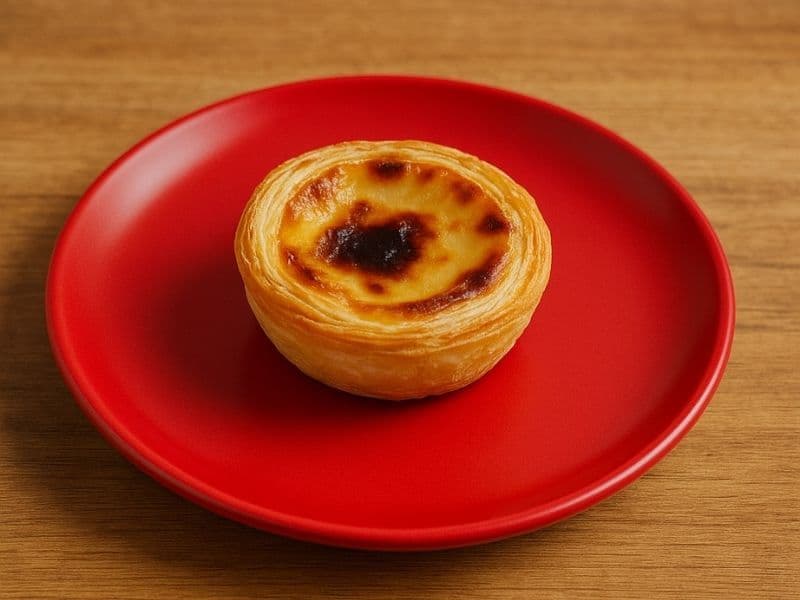
- •Nando’s Pastel de Nata – Uses caster sugar for silky custard and crisp pastry