Sake vs Mirin: What’s the Difference and When to Use Each
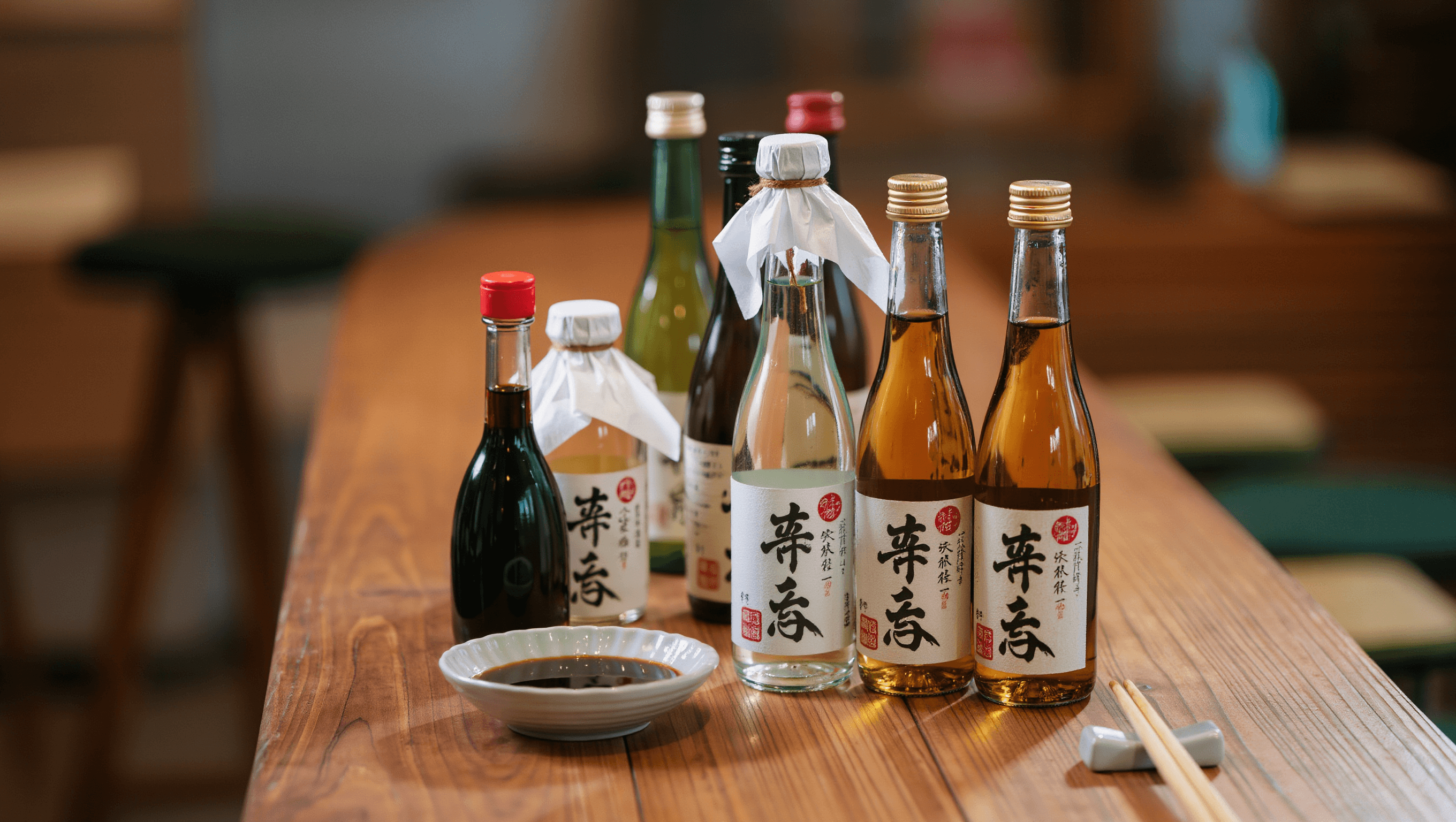
If you’ve ever followed a Japanese recipe and wondered whether you really need both sake and mirin, you’re not alone. To the untrained eye, they look almost identical — clear, golden liquids used in countless sauces and marinades. But while they share some DNA, they play very different roles in cooking.
Think of them like the salt and sugar of Japanese cuisine: each essential, each irreplaceable in the right context. Understanding when to use sake versus mirin is the difference between an authentic teriyaki glaze and one that tastes just a bit “off”.
In this guide, we’ll break down what each one is, how they differ in flavour and alcohol content, how they’re used in classics like teriyaki and katsu curry, and what to do if you can’t find them in your local supermarket.
What Is Sake?
Sake (酒) is a traditional Japanese rice wine made from fermented rice, water, yeast, and koji — a mould that converts starches into sugar. Although it’s often enjoyed as a drink, sake is equally important in cooking, especially in savoury Japanese dishes.
How It’s Made
Sake is brewed much like beer: the starch in polished rice is broken down into sugars and then fermented into alcohol. The result is a clean, mildly fruity liquid with around 14–16% alcohol.
How It’s Used in Cooking
In Japanese cooking, sake does much more than just add flavour. It:
- •Tenderises meat and fish, helping break down proteins.
- •Removes odours, especially from seafood.
- •Adds umami depth, enhancing savoury dishes.
- •Balances saltiness in soy- or miso-based sauces.
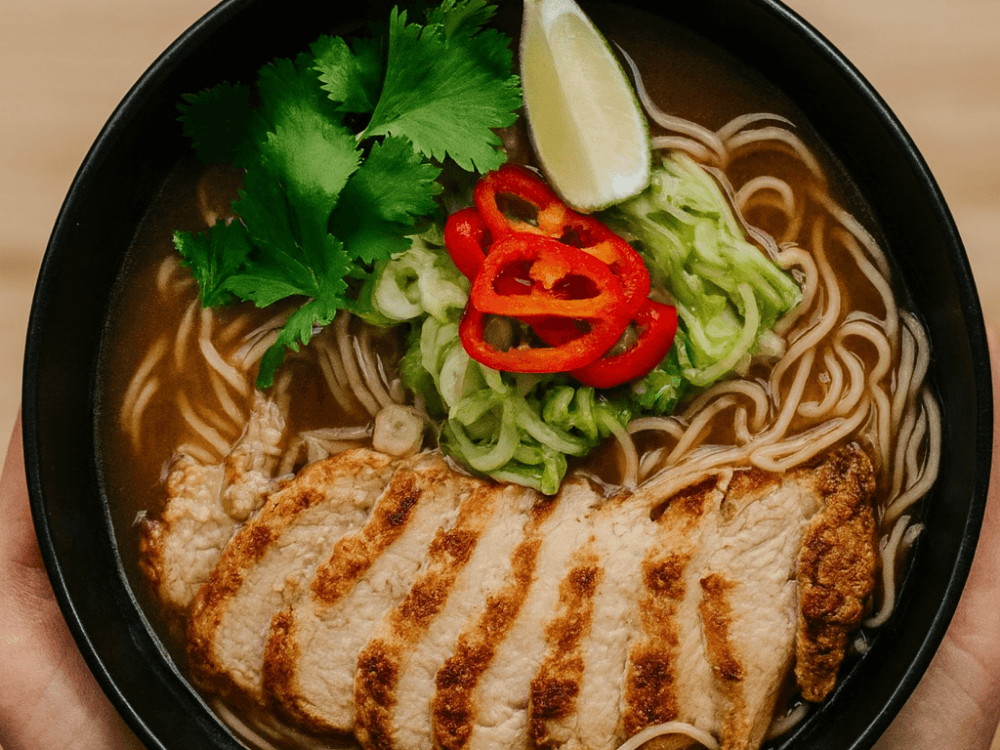
You’ll find sake in recipes for teriyaki, ramen broth, miso cod, and marinades for grilled meats. It gives dishes that elusive restaurant-style complexity and aroma.
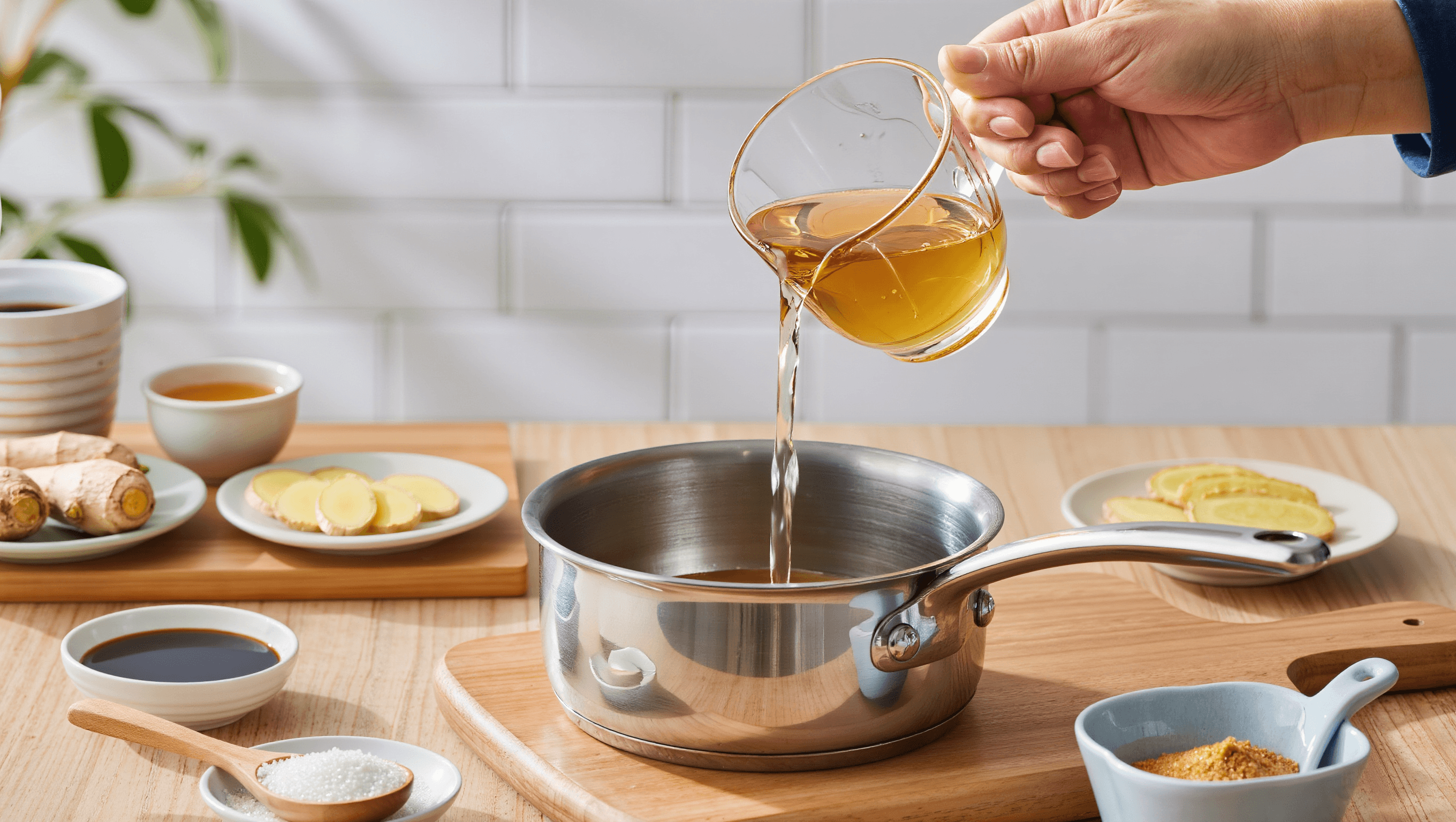
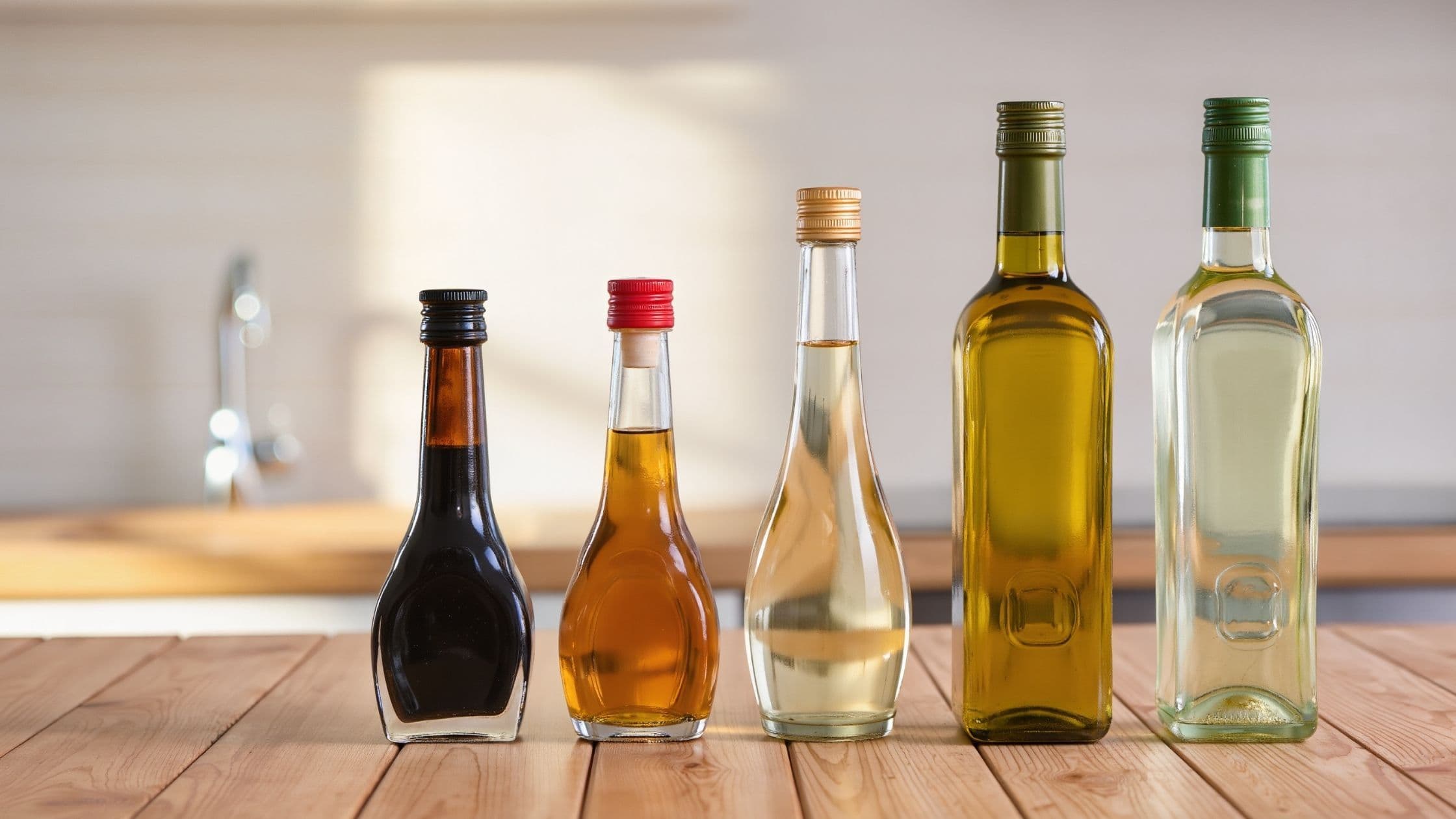
Pouring mirin into a saucepan for homemade teriyaki sauce.
What Is Mirin?
Mirin (味醂) is a sweet rice wine that looks similar to sake but has less alcohol and a lot more sugar. Proper hon mirin gets its sweetness naturally through fermentation, while cheaper versions (aji mirin) often include added sugar or syrup.
What Makes Mirin Unique
Mirin is known for its sweetness, gloss, and balance. It adds shine to sauces and glazes while softening sharp, salty flavours — a reason it’s used in nearly every Japanese kitchen.
Common Uses:
- •Teriyaki and sukiyaki sauces
- •Noodle broths
- •Salad dressings
- •Glazes for grilled meats or fish
It’s the ingredient that gives Japanese sauces their glossy sheen and subtle sweetness — imagine your Wagamama-style teriyaki chicken without that syrupy glaze.
The Key Differences Between Sake and Mirin
Differences Summarised
| Feature | Sake | Mirin |
|---|---|---|
| Alcohol | 14–16% | 8–14% (sometimes less) |
| Sugar | Low | High |
| Flavour | Dry, crisp, slightly acidic | Sweet, mellow, rich |
| Used In | Savoury dishes, soups, marinades | Sauces, glazes, dressings |
| Function | Adds depth, removes odours | Adds sweetness and shine |
| Taste Analogy | Like dry white wine | Like sweet sherry |
In Simple Terms
Use sake for flavour and umami.
Use mirin for sweetness and shine.
Together, they balance each other — that’s why so many Japanese recipes use both.
Can You Substitute One for the Other?
Yes — but you’ll need to tweak the recipe slightly.
If you don’t have mirin:
Use sake and add 1 tablespoon of sugar per 100ml sake. It won’t be identical, but close enough for sauces and marinades.
If you don’t have sake:
You can use mirin and reduce or skip other sweeteners. The result will be slightly sweeter and thicker, but it works fine in glazes or dressings.
For non-alcoholic versions:
- •Replace sake with a mix of white grape juice and rice vinegar (3:1 ratio).
- •Replace mirin with rice vinegar and sugar (2:1 ratio).
They won’t taste exactly the same, but you’ll still get that familiar balance of savoury and sweet.
How They’re Used Together
Many Japanese recipes use a trio of sake, mirin, and soy sauce, sometimes called sanbaizu. It’s the secret behind that perfect harmony of sweet, salty, and umami flavours.
Examples:
- •Teriyaki Sauce: Equal parts sake, mirin, and soy for glossy richness.
- •Nikujaga (beef and potato stew): Sake adds depth, mirin adds sweetness.
- •Katsu Curry: Sake goes into the curry base, mirin at the end for a smooth, rounded finish.
Buying and Storing Tips for UK Cooks
Buying Tips:
- •Look for hon mirin (real mirin), not “mirin-style seasoning”.
- •Choose cooking sake labelled ryorishu.
- •Good UK brands include Yutaka and Clearspring.
- •You’ll find authentic bottles at Japan Centre, Sous Chef, or Asian grocers.
Storage:
- •Keep bottles tightly sealed in a cool cupboard.
- •Sake stays fresh for about 6 months, mirin for up to 1 year.
- •Refrigerate after opening for best quality.
Budget Tip: You don’t need expensive drinking sake for cooking — a mid-range bottle works perfectly.
Quick Tips & Practical Takeaways
- Taste before adjusting – aim for harmony, not overpowering sweetness.
- Don’t boil hard – simmer gently so the flavours stay balanced.
- Add sake early, mirin late – sake’s alcohol burns off, mirin adds sheen.
- Experiment with ratios – a 1:1 mix of sake and mirin is a great base.
- Keep small bottles – freshness really affects flavour.
Pro Tip: Combine equal parts sake and mirin in a small jar for a ready-made tare base — just add soy sauce and you’ve got instant glaze or stir-fry sauce.
Common Questions
Q: Can I drink the same sake I cook with?
A: Yes! Just avoid “cooking sake” with added salt — it’s fine for cooking but awful for drinking.
Q: Is mirin alcoholic?
A: Yes, but most of the alcohol burns off in cooking. For alcohol-free alternatives, try sweet rice vinegar or honey-thinned syrup.
Q: Why did my sauce taste too sweet?
A: You likely used too much mirin or forgot to balance it with sake or soy. Start 1:1 and adjust to taste.
Q: Can I use white wine instead of sake?
A: You can — dry sherry or white wine works well. Add a dash of soy sauce to replicate sake’s umami.
Conclusion
Sake and mirin might look similar, but they bring totally different strengths to the table. Sake adds depth, aroma, and savoury balance. Mirin brings sweetness, gloss, and harmony.
Together, they’re the foundation of so many Japanese dishes — from teriyaki chicken to ramen broth. Once you’ve used both in your cooking, you’ll understand why they’re inseparable in authentic Japanese flavour.
Next time you’re recreating a Wagamama-style recipe or experimenting with Asian glazes, remember: sake for body, mirin for shine.
Related Recipes to Try
- •Wagamama Chicken Teriyaki – the perfect showcase for sake and mirin together.
- •Wagamama Chilli Chicken Ramen – a splash of sake deepens the base.
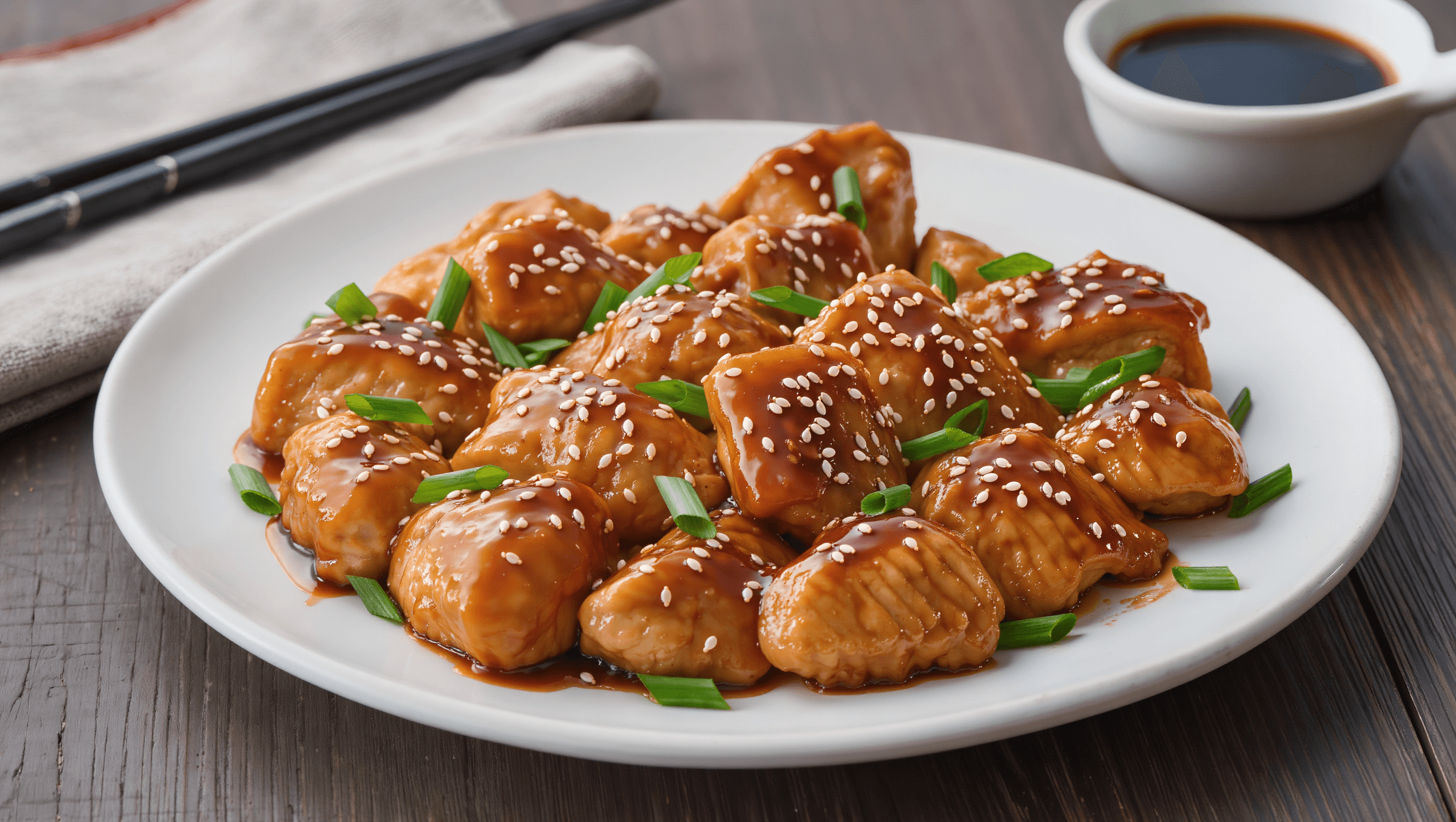
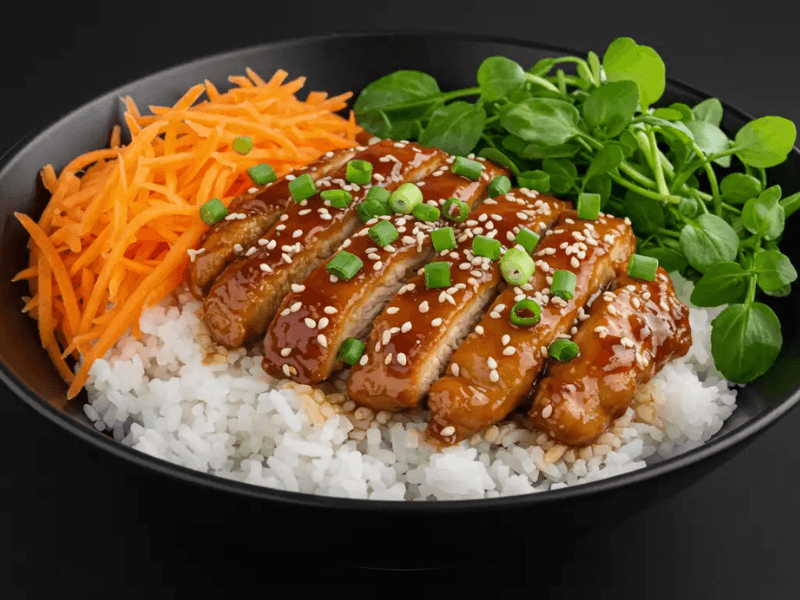
Teriyaki chicken topped with sesame seeds and spring onions.