
Wagamama Tea-Stained Egg
A soft-boiled egg steeped in soy, tea, and aromatics — just like Wagamama’s signature ramen topping.
Contains Allergens
Rate This Recipe
Tried this recipe? Your rating helps others discover great dishes and appears in Google search results!
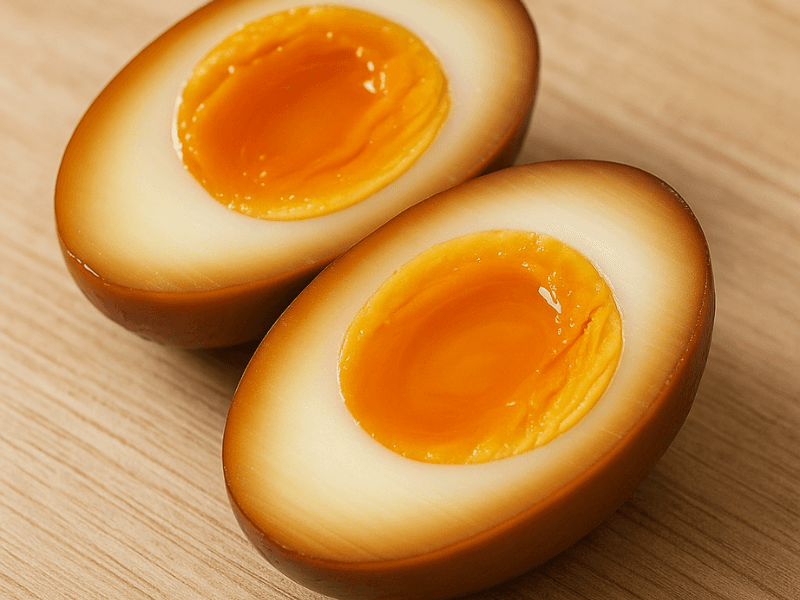
Why you'll love it
If you’ve ever tucked into a steaming bowl of Wagamama ramen, you’ll know the joy of discovering that perfect soy-stained egg perched on top — tender white, molten yolk, and a deep umami note from its tea-infused marinade. It’s simple, subtle, and absolutely transformative. This humble egg turns any homemade ramen into something restaurant-worthy. The magic lies in its brief steep in a savoury brew of black tea, soy sauce, and mirin — a process that stains the egg a burnished bronze while infusing it with flavour. The result? A delicately seasoned egg with a creamy, just-set centre and a rich umami shell. And the best part? It’s incredibly easy to make at home with ingredients you probably already have.
About the original
Wagamama’s ramen bowls are known for their layers of flavour — from the slow-simmered broths to their toppings, which balance salt, fat, and freshness. Among those, the tea-stained egg stands out as a quiet star. Often mistaken for a soy egg, this version gets its complexity from the inclusion of black tea leaves, which lend an earthy depth you won’t find in plain soy marinades.
Unlike traditional ajitsuke tamago from Japan, Wagamama’s version tends to be slightly firmer, with a glossy, almost toffee-like hue and less salt intensity. This makes it more approachable for British palates and perfectly suited to the chain’s lighter, balanced broths.
Recreating it at home means you can tweak the steeping time, adjust sweetness, and control the yolk consistency — the hallmark of any ramen aficionado’s pride and joy.
Ad Space
Google AdSense
Ingredients
- 4 piece Egg
- English Breakfast Tea Bag
- 100 ml Soy sauce — Use light soy sauce
- 50 ml Soy sauce — Dark soy
- 100 ml Mirin
- 100 ml Water
- 1 tbsp Brown sugar
- 1 clove Garlic
- 1 slice Fresh ginger
- ½ tsp Sesame oil
Method
Boil the eggs:
Bring a pan of water to a gentle boil. Carefully lower in the eggs and cook for 6½ minutes for a soft, jammy yolk.
Cool quickly:
Remove and place immediately in iced water for 10 minutes to stop cooking and make peeling easier.
Peel carefully:
Once cool, gently peel each egg to avoid tearing the whites.
Make the marinade:
In a small saucepan, combine light soy sauce, dark soy sauce, mirin, water, brown sugar, garlic, and ginger.
Add 1 English Breakfast tea bag (or 1 teaspoon loose black tea in a strainer).
Bring to a gentle simmer over medium-low heat for 2–3 minutes — just enough to dissolve the sugar and infuse the tea.
Avoid boiling, as this can make the tea taste bitter.
Remove from heat, press the tea bag gently against the side of the pan to release flavour, then discard the tea bag.
Stir in a few drops of sesame oil if using, and allow the liquid to cool completely.
Marinate:
Submerge the peeled eggs in the cooled tea-soy mixture. Cover and refrigerate for 4–8 hours, depending on desired colour and strength of flavour.
- Serve:
Halve the eggs just before serving and place on ramen, rice bowls, or salads.
Store any leftover eggs (in their marinade) in the fridge for up to 3 days.
Tips & Variations
- Use soft-boiled eggs for ramen or medium-boiled for meal prep.
- Add a strip of kombu or star anise to the marinade for extra depth.
- Replace mirin with honey + rice vinegar if unavailable.
- Reuse the marinade once — just bring it to a quick boil first.
- Adjust steeping time for lighter or darker eggs.
- Chill overnight for a restaurant-style deep bronze finish.
FAQs
- Can I use green tea instead of black tea?
- Yes — it will produce a lighter, more delicate flavour and paler colour.
- How long can I store tea-stained eggs?
- Up to 3 days in the fridge in their marinade; discard after that.
- Why did my yolks turn grey?
- They were overcooked — keep boiling to exactly 6½ minutes for jammy yolks.
- Can I skip the tea?
- You can, but you’ll lose that signature earthy note. Tea balances the soy’s saltiness and adds aroma.
Nutrition (per serving)
| Calories | 85 kcal |
|---|---|
| Protein | 7 g |
| Fat | 5 g |
| Carbs | 2 g |
Ad Space
Google AdSense
More Wagamama Recipes
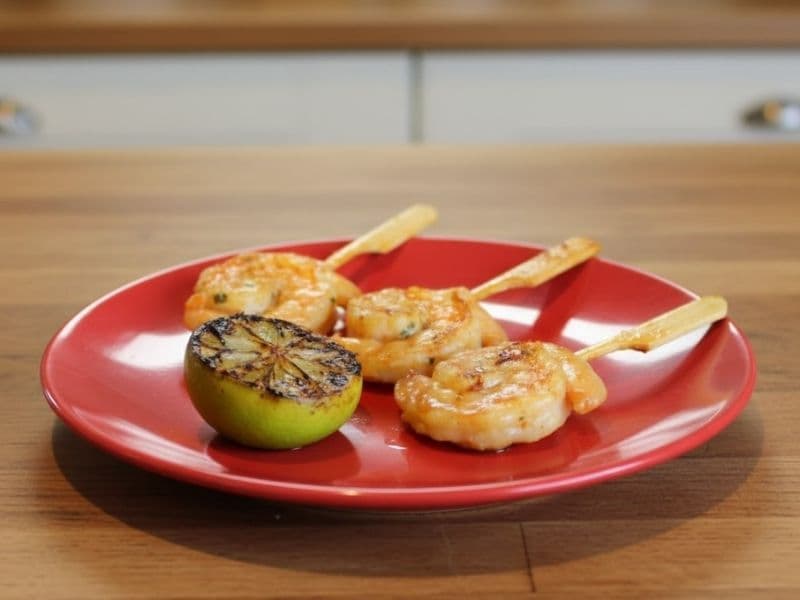

Wagamama Lollipop Prawn Kushiyaki
Juicy prawns glazed with soy, garlic, and lime, grilled to perfection on skewers and served with a zingy caramelised sauce — just like the lollipop prawns from Wagamama.
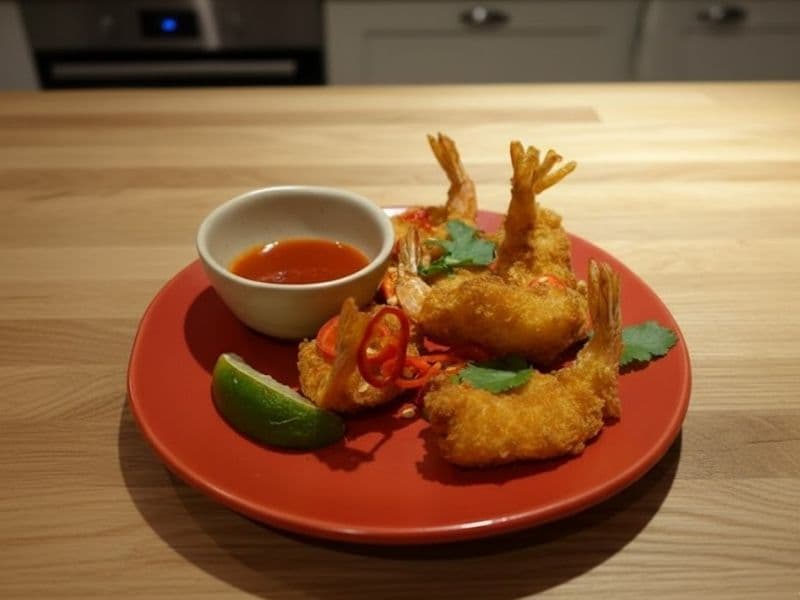
Wagamama Ebi Katsu
Crispy golden prawn cutlets coated in panko and served with a creamy spicy chilli and garlic dipping sauce — a Wagamama favourite you can easily recreate at home.
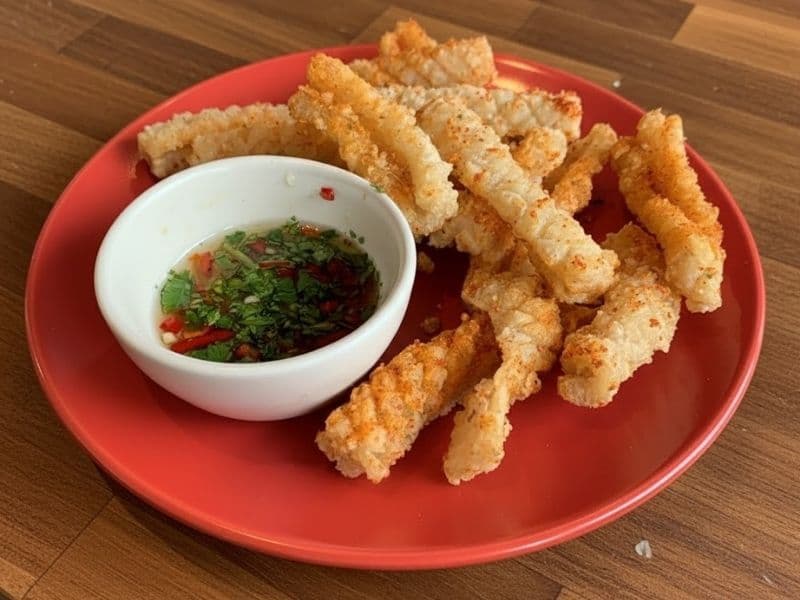
Wagamama Chilli Squid
Crispy coated squid tossed with shichimi spice and served with a zesty chilli and coriander dipping sauce – a Wagamama classic you can recreate at home.
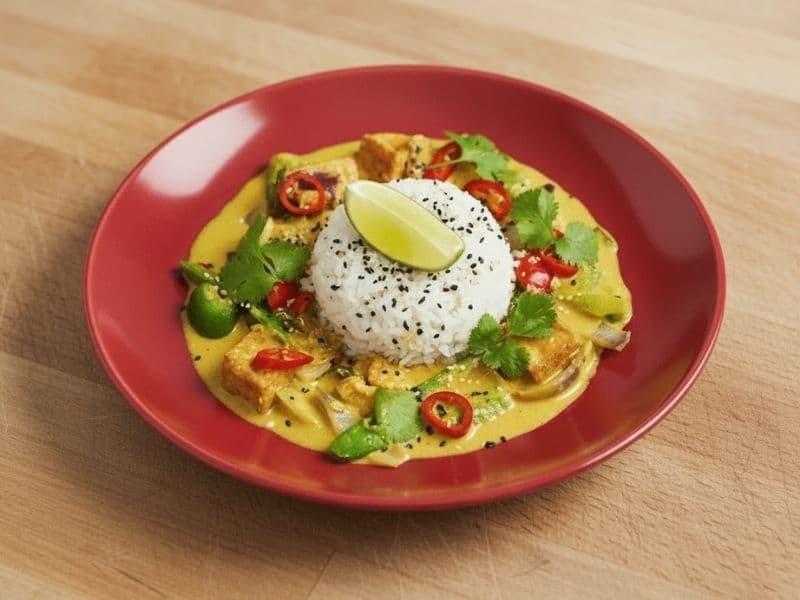
Wagamama Tofu Raisukaree
A vibrant vegan take on Wagamama’s iconic Raisukaree — crispy tofu cubes in a creamy coconut, lemongrass, and lime sauce with peppers, chilli, and fresh coriander. Light, fragrant, and full of plan…
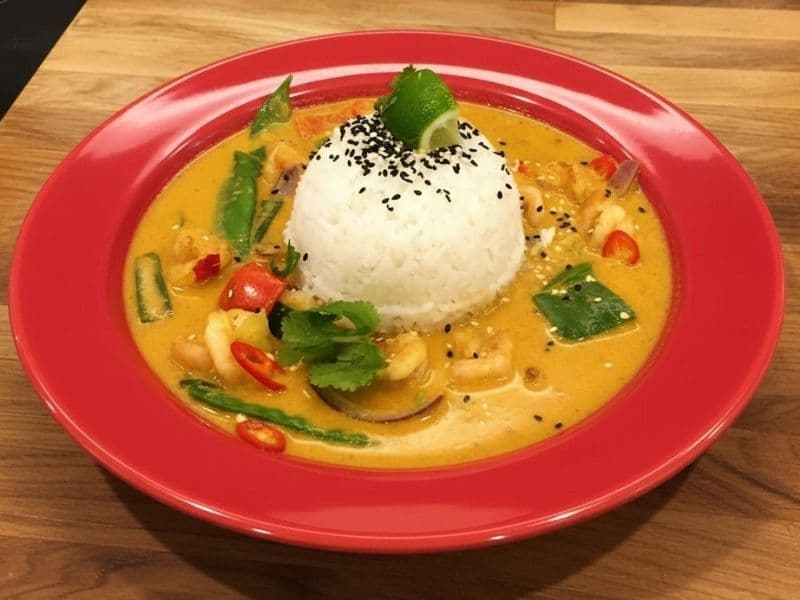
Wagamama Prawn Raisukaree
A light and aromatic coconut curry inspired by Wagamama’s iconic Prawn Raisukaree — packed with juicy prawns, peppers, lemongrass, chilli, and a zing of lime for that signature fresh finish.
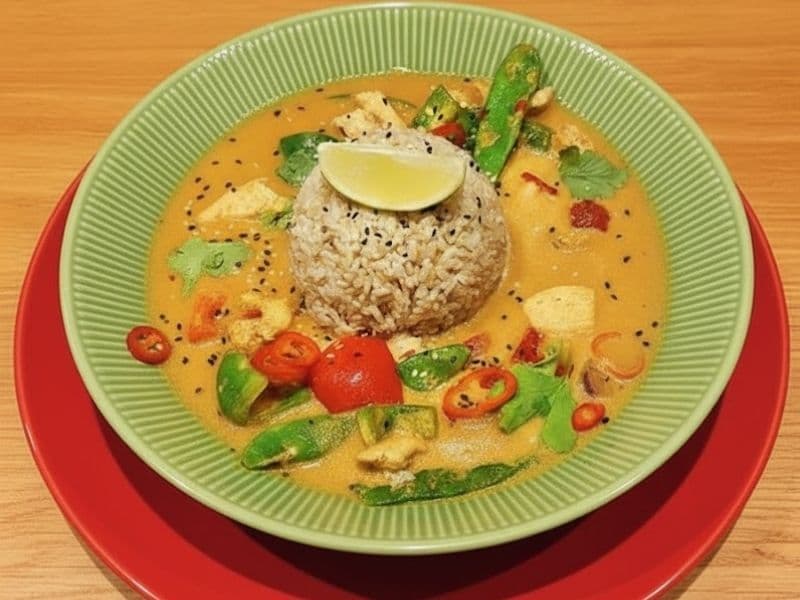
Wagamama Chicken Raisukaree
A fragrant, coconut-based curry inspired by Wagamama’s famous Raisukaree — tender chicken in a creamy coconut and lemongrass sauce with chilli, lime, and fresh coriander.