
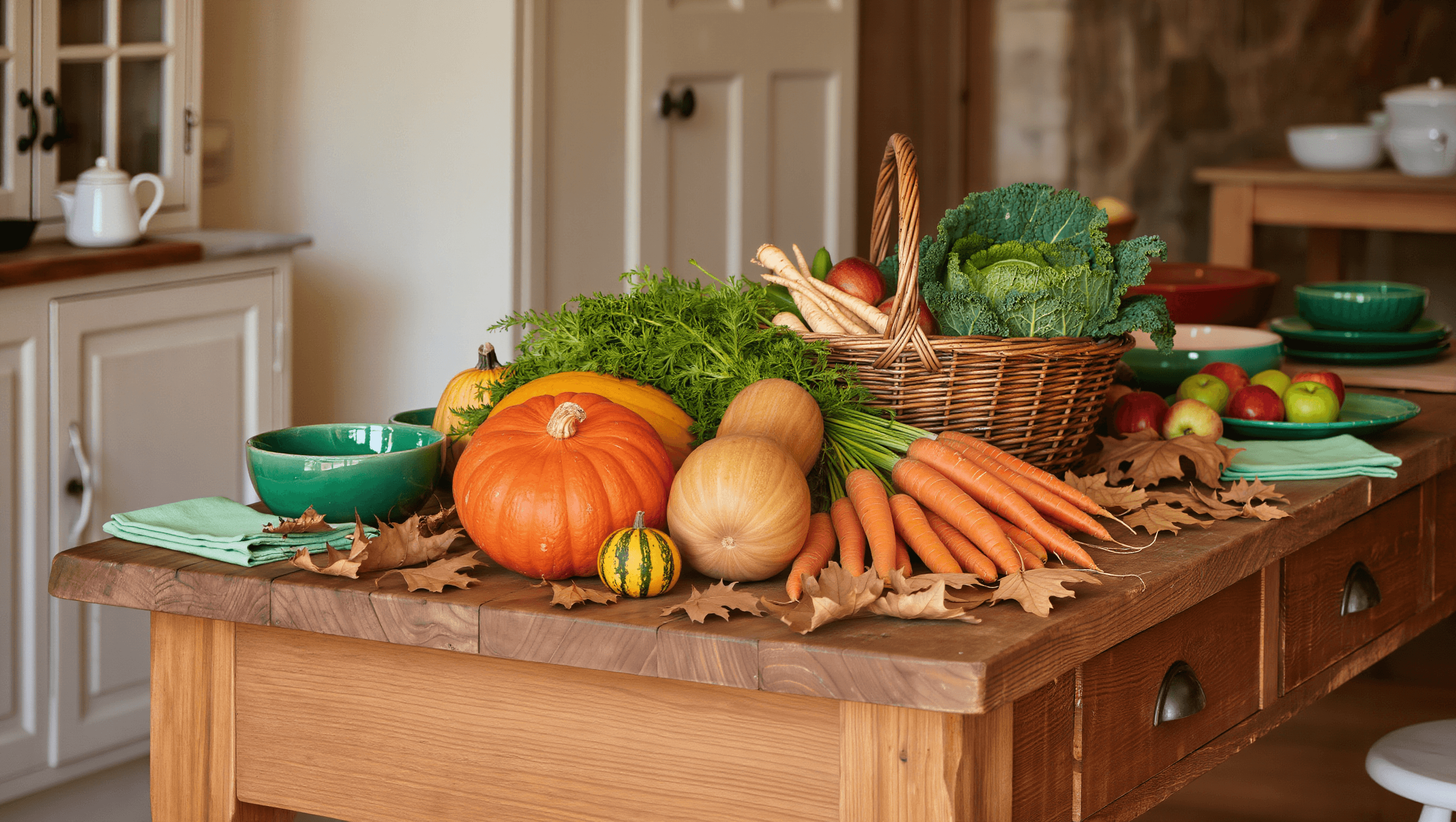
Introduction
If you’ve ever stood in the supermarket produce aisle wondering “Is this actually at its peak?”, you’re not alone. Eating produce that’s grown in season in the UK isn’t just about fresh flavour — it’s about supporting local growers, reducing food miles, and getting better value for your money. The rhythm of the seasons brings a delicious variety of fruits and vegetables to our plates. Let’s break it down month by month so you know exactly when the good stuff is here.
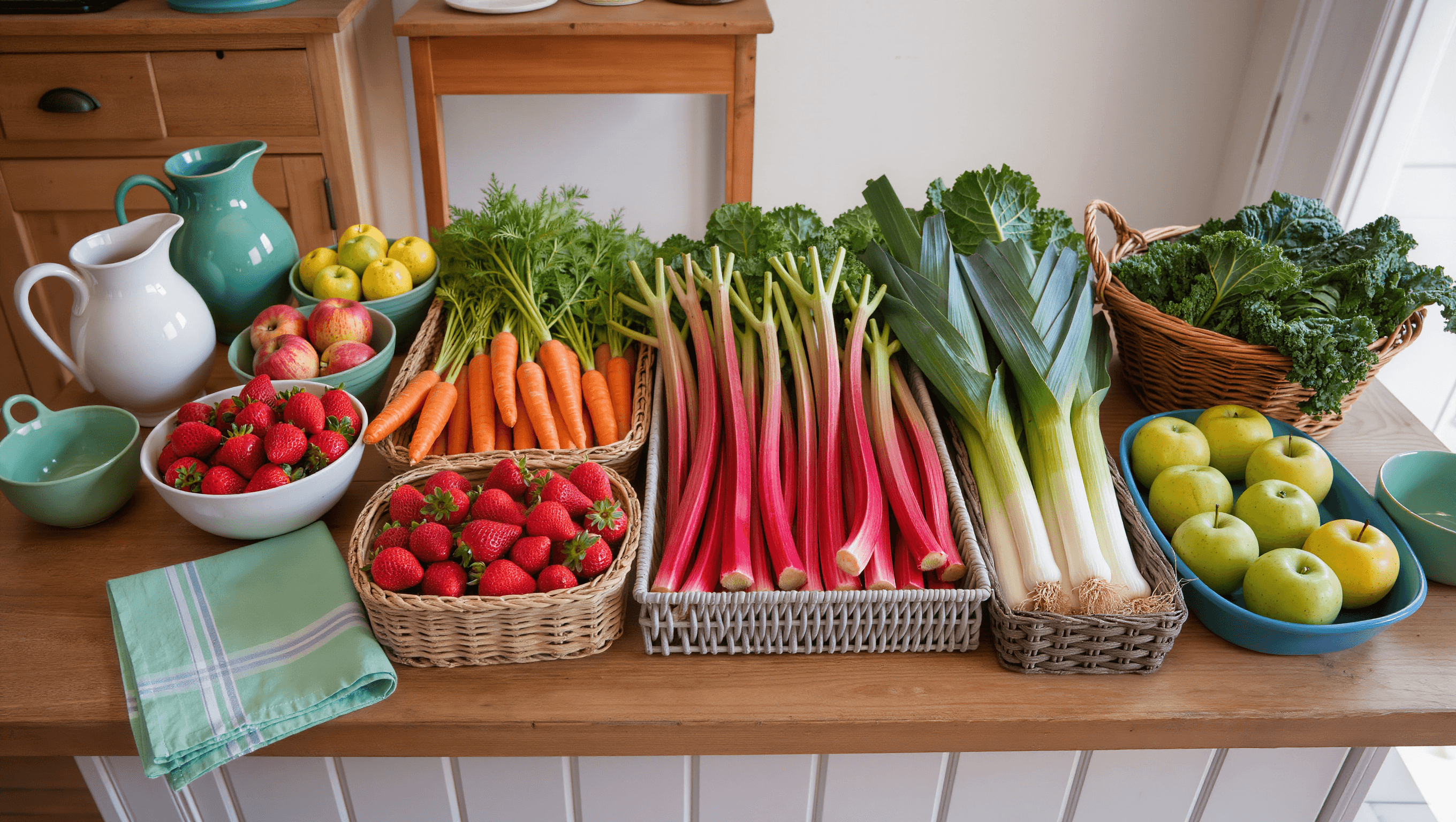
Seasonal British fruit and vegetables
Why Seasonality Matters
Before we dive into the month-by-month list, here are a few quick reminders of why eating seasonally is worth it:
- •Better flavour & freshness: Produce picked when it’s ready tastes richer and more vibrant.
- •Lower cost & fewer imports: When something is in abundance locally, it tends to be cheaper and fresher than imported out-of-season items.
- •Eco-friendly & locally supportive: Choosing UK-grown when possible means fewer transport emissions, less storage, and more support for British farmers.
Month-by-Month Guide
Here’s a friendly overview of what’s in season in the UK for each month. Use it as your produce shopping cheat sheet.
January
Fruit: Apples, Pears.
Vegetables: Beetroot, Brussels sprouts, Cabbage, Carrots, Celeriac, Celery, Chicory, Jerusalem artichokes, Kale, Leeks, Mushrooms, Onions, Parsnips, Spring greens, Spring onions, Squash, Swedes, Turnips.
Winter really holds on this month — hearty roots and greens dominate.
February
Fruit: Apples, Pears.
Vegetables: Similar to January, plus Purple-sprouting broccoli enters the scene.
Think warming stews and steamy vegetable bakes.
March
Fruit: Rhubarb begins to appear.
Vegetables: Artichoke, Beetroot, Cabbage, Carrots, Chicory, Leeks, Parsnips, Purple-sprouting broccoli, Radishes, Sorrel, Spring greens, Spring onions, Watercress.
Spring is just around the corner — lighter greens are starting to show up.
April
Fruit: Rhubarb.
Vegetables: Asparagus, Rhubarb (yes — treated as veg here sometimes), New potatoes, Kale, Parsnips, Radishes, Rocket, Spinach, Spring onions, Watercress.
April’s the month I always look forward to — that first hit of asparagus is a treat.
May
Fruit: Strawberries join the party.
Vegetables: Asparagus, Aubergine (in polyhouses/greenhouses), Beetroot, Chillies, Lettuce, New potatoes, Peas, Peppers, Radishes, Rocket, Spinach, Spring greens, Spring onions, Watercress.
Suddenly the colours brighten, the salads start to feel right.
June
Fruit: Blackcurrants, Cherries, Gooseberries, Raspberries, Redcurrants, Strawberries.
Vegetables: Asparagus, Aubergine, Beetroot, Broad beans, Broccoli, Cauliflower, Courgettes, Cucumber, Lettuce, New potatoes, Peas, Peppers, Radishes, Rocket, Runner beans, Samphire, Swiss chard, Turnips, Watercress.
Summer is officially here.
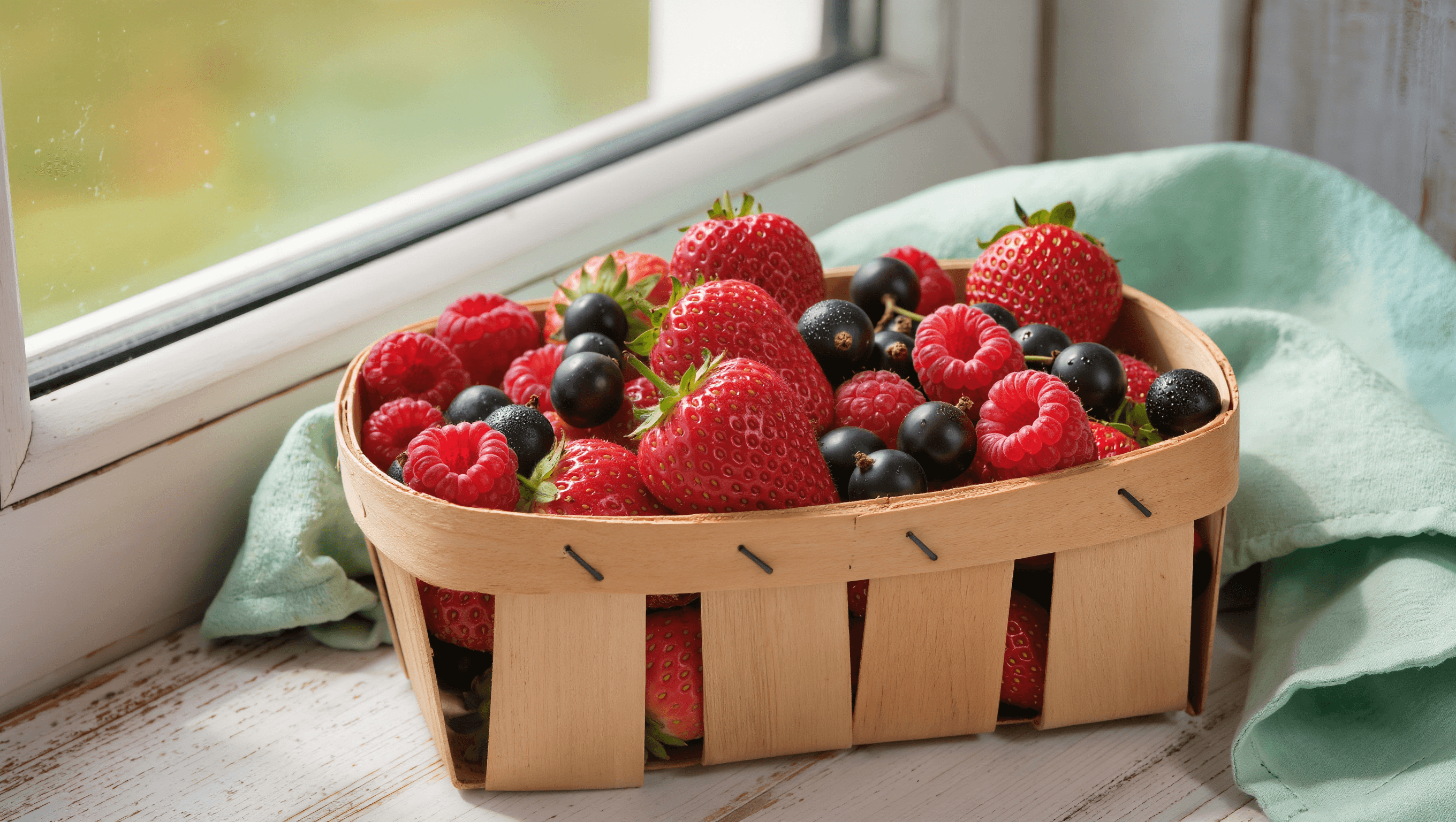
Fresh summer berries
July
Fruit: Blackberries, Blackcurrants, Blueberries, Cherries, Gooseberries, Loganberries, Raspberries, Redcurrants, Strawberries.
Vegetables: Aubergine, Beetroot, Broad beans, Carrots, Courgettes, Cucumber, French beans, Garlic, Kohlrabi, New potatoes, Onions, Peas, Potatoes, Radishes, Rocket, Runner beans, Summer squash, Swiss chard, Tomatoes, Turnips, Watercress.
August
Fruit: Blackberries, Blackcurrants, Damsons, Greengages, Loganberries, Plums, Raspberries, Redcurrants, Strawberries.
Vegetables: Aubergine, Beetroot, Broad beans, Broccoli, Courgettes, Cucumber, Fennel, French beans, Garlic, Kohlrabi, Leeks, Lettuce, Mangetout, Marrow, Onions, Peas, Peppers, Potatoes (main crop), Radishes, Rocket, Runner beans, Samphire, Sweetcorn, Swiss chard, Tomatoes, Watercress.
September
Fruit: Apples, Damsons, Pears, Plums, Raspberries, Redcurrants.
Vegetables: Aubergine, Beetroot, Broccoli, Brussels sprouts (early), Butternut squash, Carrots, Cauliflower, Celery, Courgettes, Cucumber, Fennel, Kale, Kohlrabi, Leeks, Lettuce, Mangetout, Marrow, Onions, Parsnips, Peas, Peppers, Potatoes, Pumpkin, Radishes, Rocket, Runner beans, Samphire, Summer squash, Swiss chard, Tomatoes, Turnips, Watercress, Wild mushrooms.
Autumn hints start to appear — great time for mixing late summer and early autumn produce.
October
Fruit: Apples, Blackberries, Elderberries, Pears.
Vegetables: Aubergine, Beetroot, Broccoli, Brussels sprouts, Butternut squash, Carrots, Cauliflower, Celeriac, Chicory, Chillies, Courgette (end of season), Fennel, Garlic, Kale, Leeks, Lettuce, Marrow, Onions, Parsnips, Pumpkin, Swede, Tomatoes (late), Turnips, Watercress, Winter squashes.
November
Fruit: Apples, Cranberries, Elderberries, Pears.
Vegetables: Beetroot, Brussels sprouts, Butternut squash, Cabbage, Carrots, Cauliflower, Celeriac, Celery, Chestnuts, Chicory, Jerusalem artichokes, Kale, Leeks, Onions, Parsnips, Potatoes, Pumpkin, Swede, Swiss chard, Turnips, Watercress, Winter squash.
December
Fruit: Apples, Cranberries, Pears.
Vegetables: Beetroot, Brussels sprouts, Carrots, Celeriac, Celery, Chestnuts, Chicory, Jerusalem artichokes, Kale, Leeks, Mushrooms, Onions, Parsnips, Potatoes, Pumpkin, Red cabbage, Swede, Swiss chard, Turnips, Watercress, Winter squash.
Tips for Making the Most of Seasonal Produce
- •Visit your local market or farm shop: You’ll often find fresher and better-value produce than at the big supermarkets.
- •Freeze or preserve the bounty: When strawberries, peas or runner beans are in abundance, bulk buy and freeze for later.
- •Buy what looks good: Season-on produce often arrives in better shape and flavour.
- •Mix seasons: Using produce at the very start or end of its season gives interesting flavour contrasts — e.g. late potatoes with early kale.
- •Ask questions: If in doubt, look for labels saying “UK grown” or ask your greengrocer where things are from.
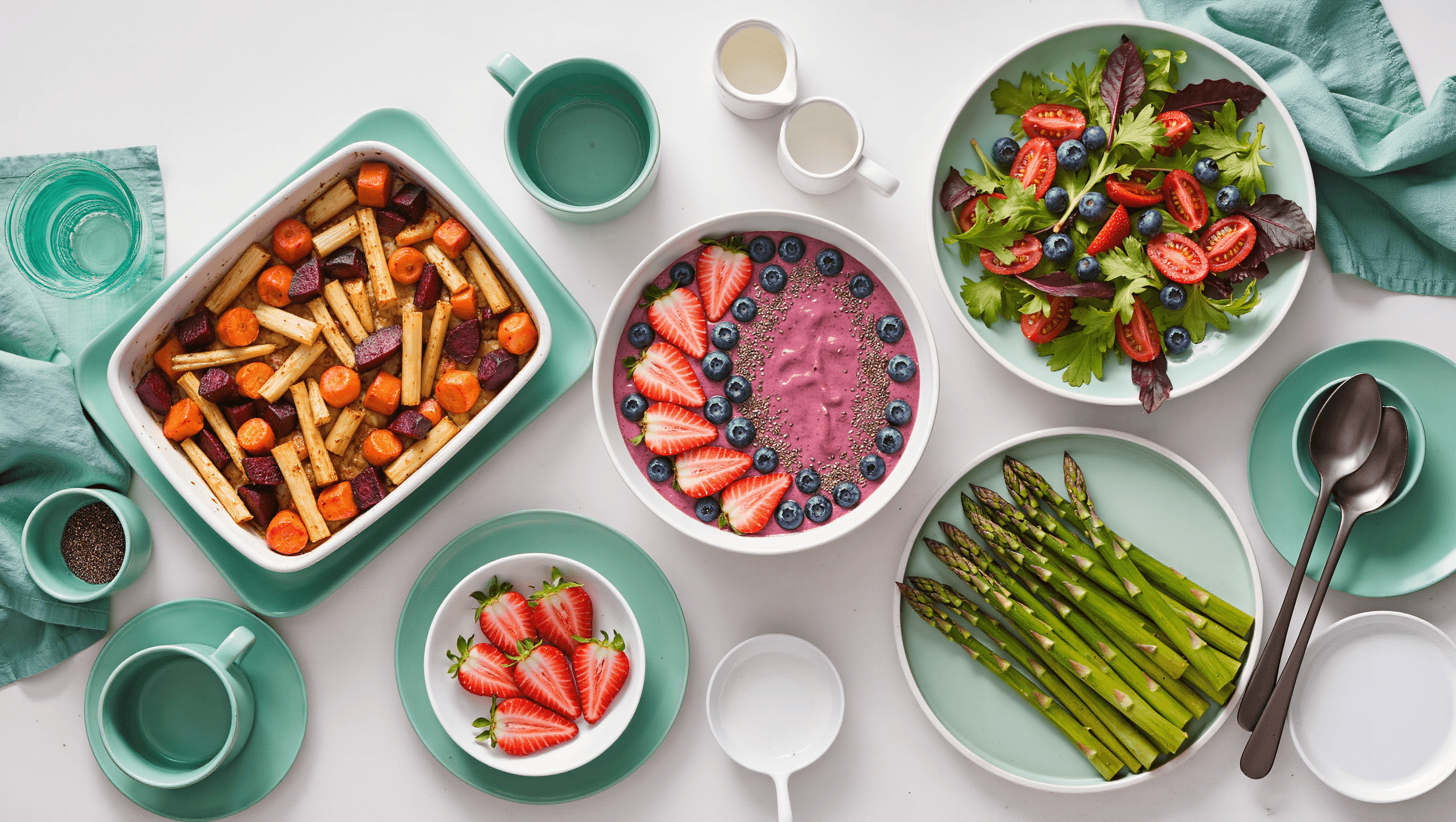
UK seasonal meals
Common Questions
Q: What’s “in season” really mean?
A: In simple terms, it means the produce is being harvested (or has just been harvested) in the UK at that time. It hasn’t travelled halfway around the world or sat in storage for weeks.
Q: Does “in season” always guarantee peak flavour?
A: Not always — there are lots of growing, storage and supply-chain factors. But generally, yes: seasonal produce has the best chance of being fresh, flavourful and ripe.
Q: Can you eat well off-season?
A: Absolutely — but if you want peak taste and value from UK-grown fruit and veg, aligning your shopping with the seasons is a great strategy.