Intro
Ever looked at your favourite chain restaurant dish and thought, “I wish I could make this at home”? You’re not alone. Search interest for “copycat restaurant recipes”, “restaurant style sauce at home”, and “favourite restaurant dish at home” has shot up in recent years.
There are a few hidden ingredients and techniques that help restaurants keep their taste consistent — and once you know them, you can apply them in your own kitchen. In this article we’ll uncover some of those secrets: what makes the flavour ring true, what shortcuts still keep quality high, and how you can adapt it for the home cook without needing commercial gear.
What “Copycat” Really Means
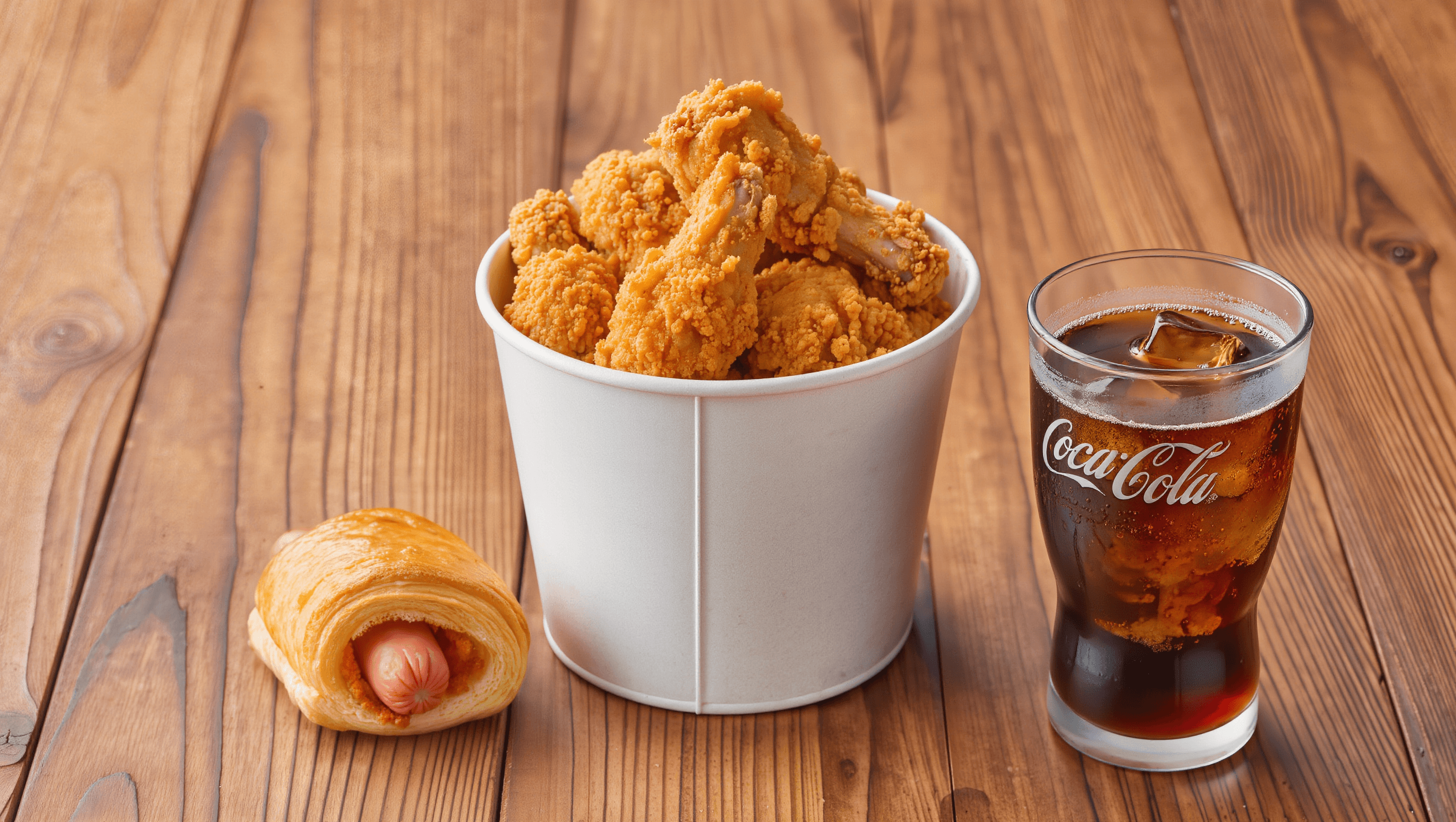
“Copycat” in the food-world doesn’t mean you steal the exact recipe (plus many are trade secrets), but you emulate the profile: same texture, same flavour combinations, same experience. For example, KFC’s “11 herbs and spices” is legendary and locked away.
Many home chefs, food-writers and bloggers track down these profiles, test variations, and publish their own versions — as sites like Allrecipes show with their “30 Most Popular Copycat Recipes”.
What this means for you: you don’t need to replicate exactly step-by-step a restaurant’s industrial kitchen. You need to understand the flavour-drivers, timing, texture cues and finishing touches that define “restaurant style”.
4 Key Secrets of Copycat Success
Here are four recurring themes that elevate a dish from “home-style” to “restaurant-style copycat”.
1. Sauce or Finish – the flavour boost
Ask any chef: the sauce, glaze or finishing drizzle often carries most of the dish’s memory. Restaurants know this. When you make a copycat version, focus energy on the sauce: a good emulsion, balance of salt + acid + sweet, maybe a “cheat” ingredient (stock concentrate, butter, miso) to boost umami.
For example: many home-copycat versions of well-known dishes emphasise recreating the signature sauce.
2. Texture & consistency matter more than fancy plating
Home cooks often focus on presentation or “healthier substitutes”, but restaurants nail the feel: crisp edges, proper sear, consistent portion size, sauce coating that sticks, no soggy bits. When doing a copycat, think about: How would the restaurant hold this together in volume? Could it sit for 5-10 minutes while served?
As Allrecipes notes: “If you want the same dish right at home … you’ll need to nudge techniques (e.g., refrigerate wings before breading) to match what the chain is doing.”
3. Ingredient selection- and smart substitution
You may not be buying in bulk, but you can still choose well: use quality stock, pick the right cut of meat, source fresh herbs, match oils. At the same time, savvy substitution helps: restaurants might use premixes, or cost-effective variants — you can too, just be mindful.
Sites like CopyKat emphasise that though the recipes are “inspired by” the restaurant originals, they adapt for the home cook.
4. Finish-and-serve timing (the “just‐in‐time” element)
One of the secret advantages restaurants have: they plan so food leaves the kitchen at optimum temperature and texture. For your copycat dish, factor timing: hold sauce hot, avoid letting crusts go soggy, serve immediately after finish.
Your end dish may be only 80 % the flavour of a pro kitchen, but if you nail the serve moment you boost impact significantly.
3 Home-Friendly Copycat Recipes to Try Tonight
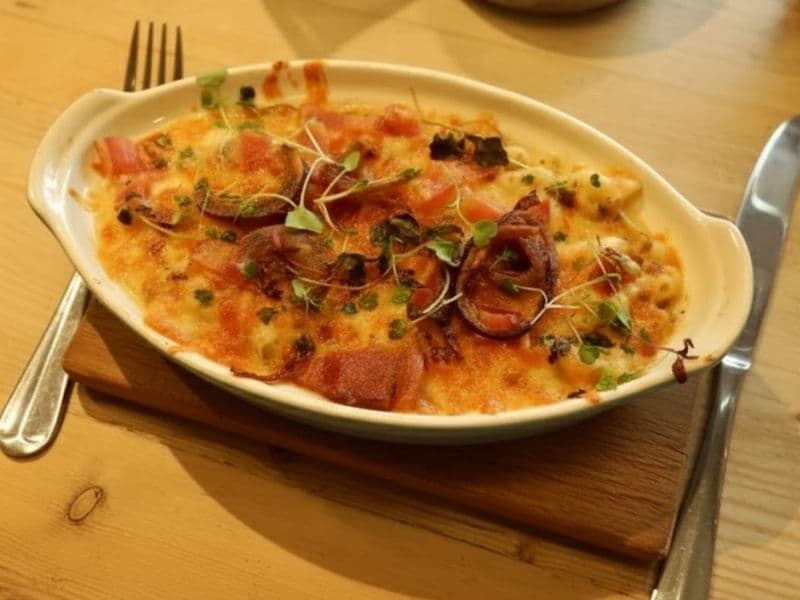
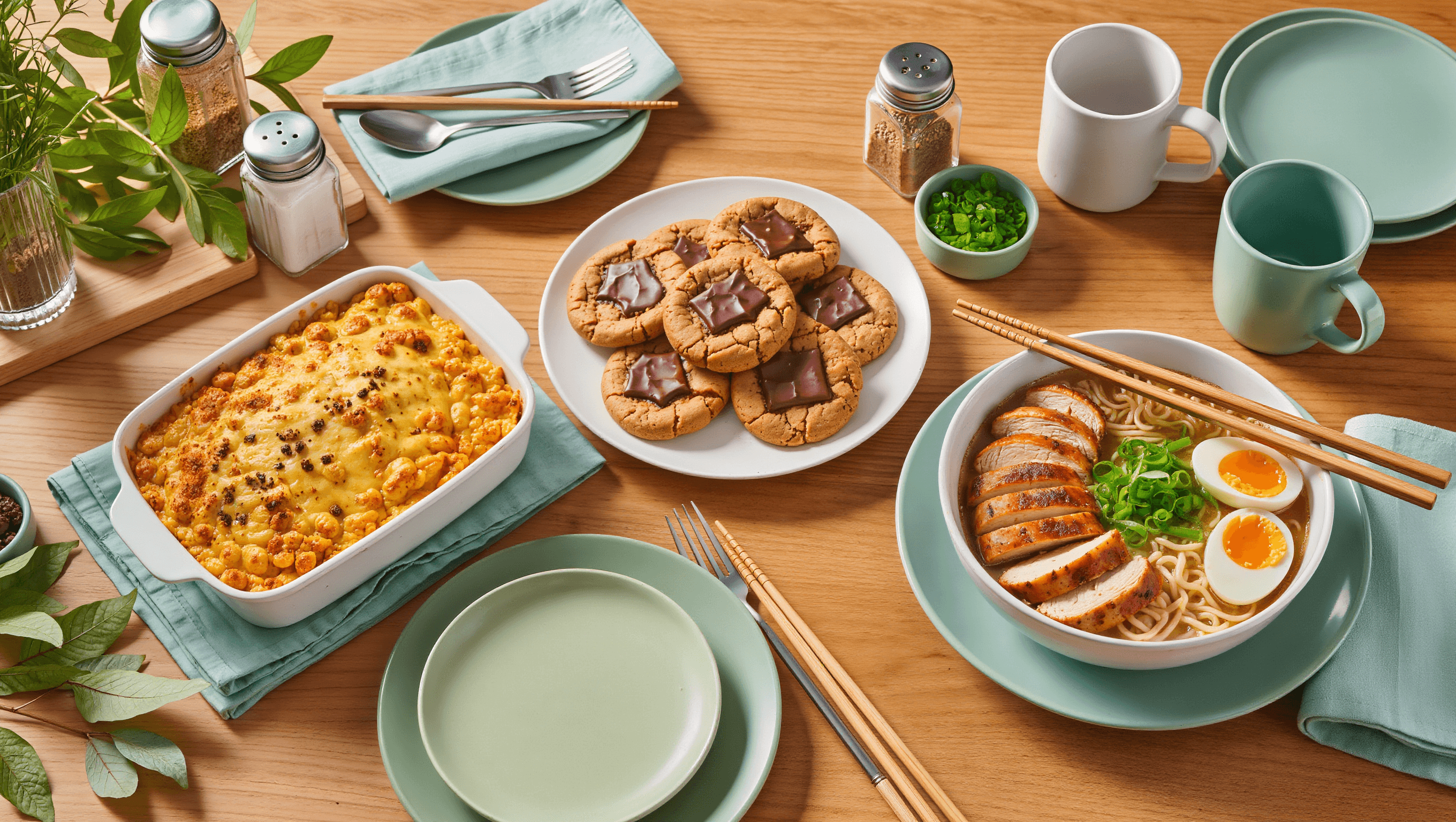
Bills Mac & Cheese — The secret is layering texture. Bills version feels rich because of the contrast between creamy sauce and golden crumb topping. Mix a spoon of Dijon mustard into your cheese sauce for depth, then finish under a hot grill (not an oven) for that signature bubbling crust.
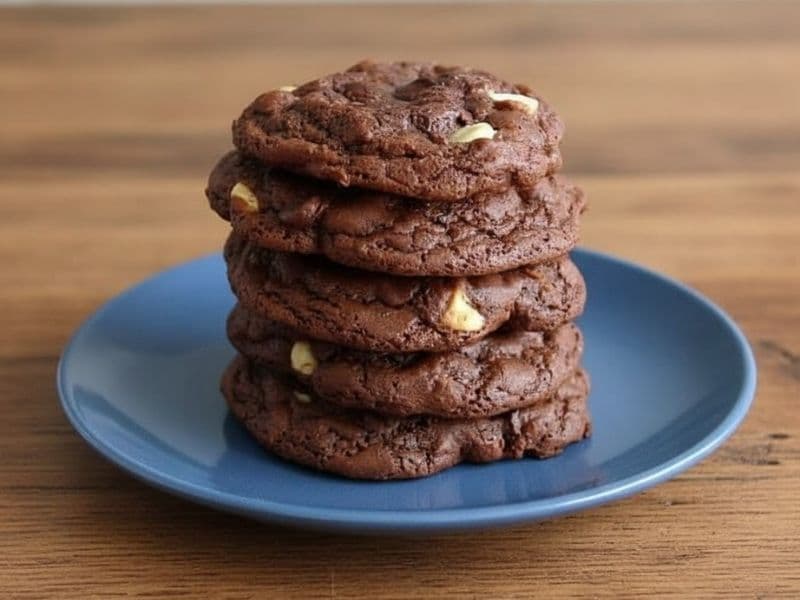
Subway Double Chocolate Cookies — Subway's cookies stay soft in the middle because the dough rests. Chill your dough overnight — it allows the flour to hydrate and the butter to firm, giving you chewy centres and crisp edges. Bake until the edges just turn golden; they’ll continue to cook on the tray after removal.
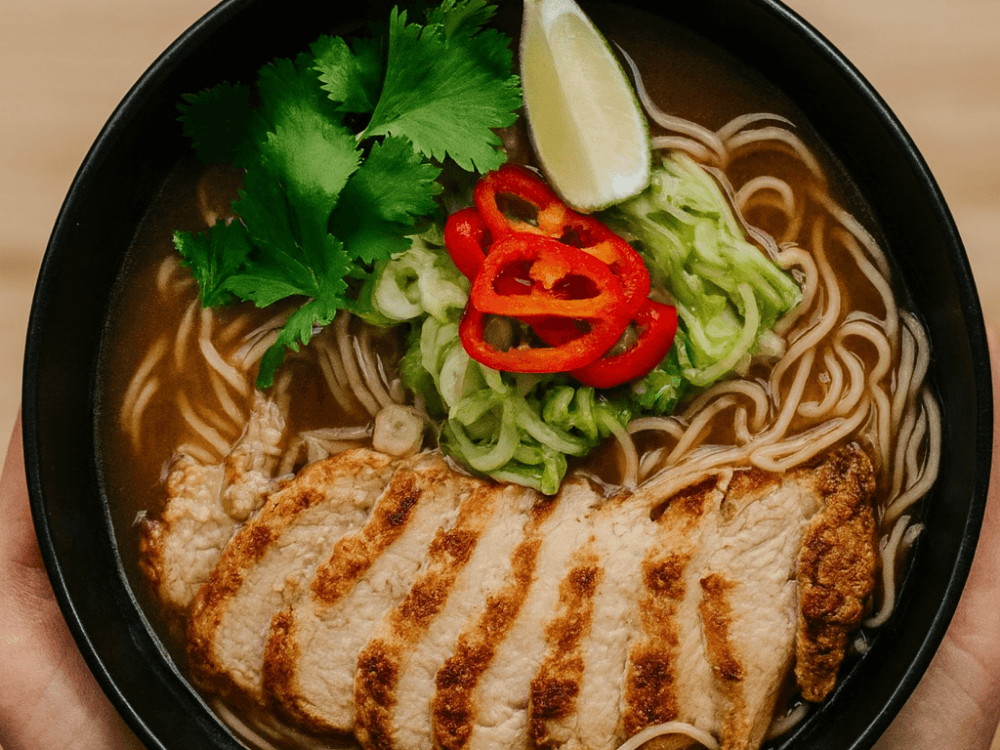
Wagamama Chili Chicken Ramen — Restaurant-style ramen is all about layered umami. Simmer the broth with ginger, garlic, soy sauce, and a spoon of miso paste. Just before serving, add a dash of sesame oil and squeeze of lime to wake up the flavours. For authenticity, blanch your noodles separately, then pour hot broth over to serve piping fresh.
Tips & Variations
- •Start with sauces: Once you’ve nailed a brand’s signature sauce, you can apply it across dishes.
- •Batch cook and freeze: Just like restaurants do with curries or fillings.
- •Use the right oil: Many chains fry in rapeseed for clean flavour and crisp texture.
- •Don’t skip resting time: Greggs-style bakes and burgers set better after 5 minutes.
- •Add acidity last: A splash of lemon or vinegar at the end sharpens all flavours.
- •Embrace imperfection: Homemade copycats are meant to be comforting, not clones.
FAQs
Q1: What’s the key difference between home and restaurant versions
Temperature control and timing — restaurants have powerful grills and holding units, so mimic that precision where possible.
Q2: Can I make these recipes healthier?
Yes! Swap frying for air-frying or baking, and control salt and sugar without losing flavour depth.
Q3: Why do Greggs’ bakes taste buttery but not greasy?
Because their fat ratio is high-quality but precisely measured — chill your pastry and drain excess moisture from fillings.
Q4: What’s the hardest part to copy at home?
Texture consistency — most restaurants batch-prep. Focus on process, not perfection.